 EN

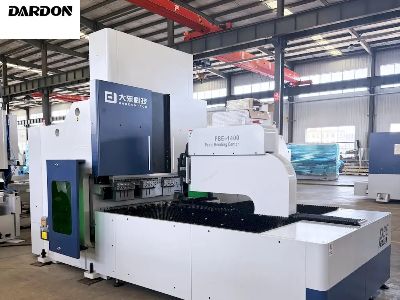
Taking care of a hydraulic bending machine is important to keep it running well. At Dadong, we know that these machines help in making strong parts for many things. When you take good care of your hydraulic system, it can last longer and work better. Regular maintenance is key. This means checking the oil levels, cleaning filters, and looking for leaks. If you notice any strange noises or movements, it's important to check them right away. Keeping a good log of maintenance will help you see when things need fixing. This way, you can prevent bigger problems later. A well-maintained hydraulic system helps save time and money.
How to Extend the Lifespan of Your Hydraulic System?
To make your hydraulic system last longer, you need to do regular checks and maintenance. First, check the hydraulic fluid. It should be clean and at the right level. Dirty fluid can cause problems. If it looks dark or has particles, it’s time to change it. You should also replace the filters regularly. A clean filter helps keep the fluid clean. Next, look for leaks. Even a small leak can lead to bigger problems. If you see a puddle or notice the fluid level dropping, check the hoses and connections. Tighten or replace them as needed. Don’t forget about the seals and gaskets. They can wear out over time and may need replacing. Another good tip is to keep the machine clean. Dust and debris can get into the system and cause issues. Wipe down the machine after use and keep the area around it tidy. Lastly, make sure the machine is used correctly. Follow the manufacturer's instructions and don't overload the machine. Using it as intended helps prevent wear and tear. All these steps together can help your hydraulic system run smoothly for a long time.
What Common Hydraulic System Issues Should You Be Aware Of?
Many problems can happen with hydraulic systems, and knowing them can help you avoid trouble. One common issue is overheating. If the machine gets too hot, it can damage the parts inside. This can happen if there isn’t enough fluid or if the fluid is dirty. Make sure to always check the temperature and the fluid quality. Another issue is pressure loss. If the pressure drops too much, the bending equipment may not work right. This can be caused by leaks or blockages in the system. Regular checks can help catch these problems early. Noise is another thing to watch for. If you hear strange sounds, it may mean there is something wrong. It could be a sign of low fluid or worn-out parts. Don’t ignore these sounds. Lastly, be careful with the connections and hoses. If they are damaged or cracked, it can lead to leaks and system failure. Keeping an eye on these areas will help you spot issues before they become big problems. By being aware of these common problems and checking your hydraulic system regularly, you can keep it running well and avoid costly repairs.
How to Effectively Manage Hydraulic Systems for Peak Performance?
Managing hydraulic systems is very important to keep machines running well. A hydraulic system uses fluid to create power. It helps machines like bending machines work effectively. To manage these systems, regular checks are needed. Start by looking at the hydraulic fluid. This fluid should be clean and at the right level. If the fluid is dirty or low, it can cause problems. You can check the fluid by looking at the gauge or dipstick. If the fluid is dirty, it needs to be changed. Use the right type of hydraulic fluid recommended for your system.
Next, check for leaks. Leaks can waste fluid and reduce the system's power. Look for wet spots or puddles around hoses, valves, and connections. If you find a leak, it is important to fix it right away. Replace damaged hoses or tighten loose connections. This will help keep the system working well.
Also, pay attention to the filters. Filters keep the hydraulic fluid clean by trapping dirt and debris. If the filters get clogged, they can’t do their job. Check the filters regularly and replace them when needed. This will help your hydraulic system perform at its best.
Another important part of managing hydraulic systems is keeping an eye on the pressure levels. Each system has a recommended pressure range. If the pressure is too high or too low, it can cause issues. Use a pressure gauge to monitor this. If you notice any changes, it might mean there’s a problem that needs fixing.
Finally, make sure to follow the manufacturer's guidelines. These guidelines give important information about the system's care and maintenance. By following them, you can help ensure your hydraulic system runs smoothly and efficiently. At Dadong, we believe that proper management of hydraulic systems leads to better performance and longer equipment life.
What Are the Best Practices for Hydraulic Bending Machine Care?
To keep hydraulic bending machines in top shape, there are some best practices to follow. First, always start with regular inspections. Check the machine for any signs of wear and tear. Look at the hoses, cylinders, and fittings. If you see any cracks, leaks, or damage, fix them before using the machine. This will help prevent bigger problems later.
Next, keep the hydraulic fluid clean. As mentioned earlier, dirty fluid can harm the machine. Change the fluid according to the schedule provided by the manufacturer. Make sure to use the right type of hydraulic fluid for your bending machine. This will help it run smoothly.
Another important practice is to clean the machine regularly. Dust and debris can build up on the machine and affect its performance. Use a soft cloth or brush to clean the surfaces. Also, keep the area around the machine tidy. A clean workspace is safer and helps the machine work better.
It is also essential to lubricate moving parts. Check the machine's manual for the recommended lubrication points. Use the right lubricant and apply it as needed. This will help reduce friction and wear, making the hydraulic bending machine last longer.
Training is another key part of maintaining hydraulic bending machines. Make sure that everyone who uses the machine knows how it works. Teach them how to operate it safely and efficiently. Proper training can help prevent accidents and extend the life of the machine.
Finally, at Dadong, we encourage keeping records of all maintenance activities. Write down when you do inspections, fluid changes, and repairs. This helps track the machine's health over time and can remind you when to do the next maintenance. By following these best practices, you can ensure your hydraulic bending machine works well for a long time.
Where to Source Reliable Hydraulic Components for Maintenance?
Finding reliable hydraulic components is very important for keeping your machines working well. When you need parts for maintenance, you want to make sure you get the best quality. One great place to start is by looking at trusted suppliers. It’s best to choose companies that specialize in hydraulic parts. They know what they are selling and can help you find the right components for your needs.
Online shops are also available for finding hydraulic parts. Many suppliers have websites where you can browse their inventory. Make sure to read reviews from other customers. This can give you an idea if the supplier is trustworthy. Look for suppliers that provide detailed descriptions of their parts. This helps ensure that you get the right fit for your machine.
Another option is to attend trade shows or industry events. These events can help you meet suppliers face-to-face. You can see the parts in person and ask questions. This is a great way to learn more about different products and what might work best for your hydraulic system.
Local hydraulic service centers are another good resource. They often have a variety of parts on hand and can help you find what you need. Plus, they might offer installation services if you need help putting in new components.
At Dadong, we believe in building strong relationships with our suppliers. Having a good connection can help you get parts quickly and possibly at a better price. It’s also wise to keep a list of important parts that you may need in the future. This way, you can order them ahead of time and avoid downtime for your machines.
In summary, sourcing reliable hydraulic components is about choosing the right suppliers, using online resources, attending events, and building strong relationships. With the right parts, you can keep your hydraulic systems running smoothly and efficiently.
Table of Contents
- How to Extend the Lifespan of Your Hydraulic System?
- What Common Hydraulic System Issues Should You Be Aware Of?
- How to Effectively Manage Hydraulic Systems for Peak Performance?
- What Are the Best Practices for Hydraulic Bending Machine Care?
- Where to Source Reliable Hydraulic Components for Maintenance?