 EN

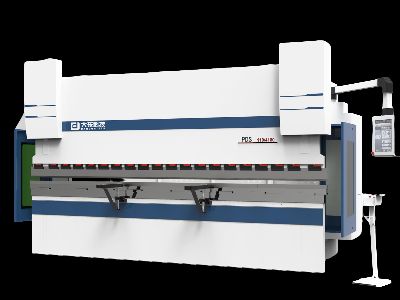
Hydraulic systems play a crucial role in the operation of bending machines, making effective maintenance and management essential for maximizing performance and longevity. Proper bending machine hydraulic maintenance and hydraulic oil system management not only ensure operational efficiency but also mitigate the risks of unexpected breakdowns and costly repairs. This article will provide insights into key specifications for hydraulic maintenance, best practices for managing hydraulic systems, sourcing quality components, evaluating supplier reliability, and the applications of hydraulic maintenance in industrial manufacturing.
Key Specifications for Hydraulic Maintenance in Manufacturing
When it comes to hydraulic maintenance for bending machines, several key specifications should be considered to ensure optimal performance. These include:
Fluid Viscosity: The viscosity of hydraulic fluid is vital for maintaining efficient operation. It should match the manufacturer's recommendations to ensure adequate lubrication and system performance. If the viscosity is too low, it can lead to increased wear, while too high can cause sluggish operation.
Fluid Cleanliness: Contaminants in hydraulic fluid can cause significant damage to components. Regular testing for particulate contamination, water content, and oxidation levels is essential. A cleanliness level according to ISO 4406 standards is often recommended for hydraulic fluids.
Temperature Range: Hydraulic fluids operate best within specific temperature ranges. High temperatures can degrade the fluid, while low temperatures can increase viscosity. Monitoring and maintaining the hydraulic oil temperature is critical for efficient operation.
Seal Integrity: The seals within the hydraulic system must be regularly inspected for wear or damage. Compromised seals can lead to leaks, which not only affect performance but can also be a safety hazard.
Pressure Ratings: Hydraulic systems are designed to operate within specific pressure limits. Regular checks and maintenance should ensure that all components, including hoses and fittings, can withstand operational pressures without risk of failure.
Best Practices for Hydraulic System Management in Bending Machines
Effective hydraulic system management involves a combination of routine maintenance and proactive measures. Here are some best practices:
Regular Fluid Changes: Implement a schedule for changing hydraulic fluid based on usage and manufacturer recommendations. This helps prevent degradation and contamination of the fluid.
Monitoring Systems: Utilize monitoring technologies that provide real-time data on pressure, temperature, and fluid levels. This can help detect potential issues before they escalate into costly repairs.
Training Operators: Ensure that operators are trained in the proper use of bending machine hydraulic and the importance of hydraulic system management. They should know how to recognize signs of hydraulic issues, such as unusual noises or decreased performance.
Documentation: Keep detailed records of maintenance activities, fluid changes, and inspections. This documentation can be invaluable for tracking performance trends and identifying recurring issues.
Emergency Protocols: Establish protocols for addressing hydraulic system failures, including quick access to emergency shut-off valves and procedures for fluid containment in case of leaks.
Where to Source Quality Hydraulic Components for Your Equipment
Sourcing quality hydraulic components is crucial for ensuring the reliability and safety of bending machines. Here are some tips for finding reputable suppliers:
Research Suppliers: Look for suppliers with a proven track record in the industry. Review their product offerings, certifications, and customer feedback.
Request Samples: Before committing to a large order, request samples of hydraulic components to assess quality and compatibility with existing equipment.
Evaluate Material Standards: Ensure that components meet industry standards and are made from materials suitable for the intended application. This includes checking for certifications such as ISO, DIN, or SAE.
Warranty and Support: Choose suppliers that offer warranties on their products and have a responsive customer support team. This is essential for addressing any post-purchase issues that may arise.
Local vs. Global Suppliers: Consider the benefits of sourcing components locally for quicker delivery times and easier communication, versus the potential cost savings from international suppliers.
Evaluating Supplier Reliability for Bending Machine Hydraulics
When evaluating potential suppliers for bending machine hydraulics, consider the following factors:
Experience and Expertise: Look for suppliers with significant experience in hydraulic systems specific to bending machines. Their expertise can be invaluable in guiding your purchasing decisions.
Quality Assurance Processes: Inquire about their quality control processes. Reliable suppliers should have strict quality assurance measures in place to ensure that components meet specified standards.
Lead Times: Assess the supplier's ability to deliver components within your required timeframe. Delays in sourcing can disrupt production schedules.
References and Reviews: Ask for references from other customers and check online reviews. Feedback from existing clients can provide insights into the supplier's reliability and service quality.
Technical Support: Evaluate the level of technical support offered. Good suppliers should be able to provide assistance with installation, troubleshooting, and maintenance advice.
Applications of Hydraulic Maintenance in Industrial Manufacturing
Hydraulic maintenance is applicable across various sectors of industrial manufacturing, including:
Metal Fabrication: In metal fabrication, hydraulic systems are used in bending machines, shears, and presses. Regular maintenance ensures that these bending equipment operate at peak performance, reducing the risk of defects in finished products.
Automobile Manufacturing: Hydraulic systems are integral to assembly lines, where precision and reliability are critical. Effective maintenance minimizes downtime and enhances productivity.
Aerospace: In aerospace manufacturing, hydraulic systems must meet stringent reliability and performance standards. Regular inspections and maintenance are essential to ensure compliance with safety regulations.
Construction Equipment: Hydraulic maintenance is vital in construction equipment, where machines often operate in rugged conditions. Proper maintenance extends equipment lifespan and reliability on-site.
Understanding hydraulic maintenance and oil system management for bending machines is crucial for optimizing performance and minimizing operational risks. By focusing on key specifications, best practices, and reliable supplier evaluation, businesses can enhance their manufacturing processes and ensure long-term success.
Table of Contents
- Key Specifications for Hydraulic Maintenance in Manufacturing
- Best Practices for Hydraulic System Management in Bending Machines
- Where to Source Quality Hydraulic Components for Your Equipment
- Evaluating Supplier Reliability for Bending Machine Hydraulics
- Applications of Hydraulic Maintenance in Industrial Manufacturing