 EN

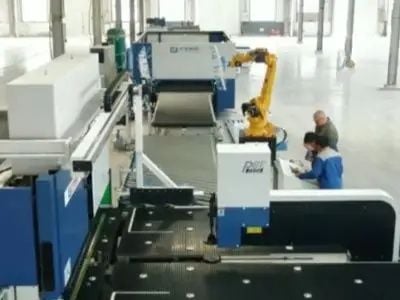
In the realm of modern metal processing, line benders play a crucial role in enhancing production efficiency and precision. Understanding why a line bender is essential in modern metal processing production lines can significantly impact the choice of equipment for purchasing managers and engineers. This article addresses the key features and considerations for selecting line bender, offering insights that help B2B buyers make informed decisions.
What Makes a Line Bender Essential for Metal Processing?
Line benders are specialized machines designed to bend metal sheets and other materials accurately and efficiently. Their importance in modern metal processing lies in their ability to enhance productivity by allowing manufacturers to create complex shapes and designs that meet specific requirements.
One of the primary advantages of using line benders is their capability to handle a variety of materials, including aluminum, stainless steel, and mild steel. This versatility enables manufacturers to expand their product offerings without needing multiple machines for different materials. Additionally, line benders often come equipped with advanced features such as programmable controls, which facilitate quick adjustments and precision in bending angles, leading to reduced waste and improved production timelines.
For purchasing managers, understanding the specific applications of line benders in their production lines is crucial. These machines are essential for industries like automotive, aerospace, and construction, where precision and efficiency are paramount. By integrating machine bending sheet metal, manufacturers can streamline their operations, reduce labor costs, and improve overall product quality.
How to Evaluate the Quality of Line Benders for Your Needs?
Finding a reliable supplier of line bending equipment is essential for ensuring quality and service longevity. Buyers should start their search by considering manufacturers with a proven track record in the industry. Look for suppliers who specialize in metal processing machinery and have extensive experience in producing line sheet metal bender.
Trade shows and industry conferences can be excellent venues for discovering reputable suppliers. These events allow buyers to see the machines in action and engage directly with manufacturers. Online platforms and industry directories can also be valuable resources for finding suppliers and comparing their offerings.
When evaluating suppliers, it is advisable to request references or reviews from other customers. This feedback can provide insights into the supplier's service quality, responsiveness, and overall reliability. Furthermore, consider suppliers that offer comprehensive post-sales support, including installation guidance, training, and maintenance services, as these factors can significantly influence the operational success of the machinery.
Installation Guidance for Line Benders in Production Lines
Proper installation of line benders is critical for optimizing performance and ensuring safety in the production line. Buyers should follow the manufacturer's installation guidelines closely, which typically outline the specific requirements for site preparation, electrical connections, and machine calibration.
Before installation, assess the workspace to ensure adequate clearance and accessibility for maintenance. It is essential to consider the machine's weight and size; appropriate foundation and mounting structures must be in place to support the machine's operation.
Once installed, the line bender should undergo thorough calibration to ensure accuracy in bending. This process may require initial test runs with sample materials to confirm that the machine operates within specified tolerances. Operators should also be trained on the proper use of the equipment to minimize errors and maximize efficiency.
Involving the supplier during the installation phase can be beneficial. Experienced manufacturers, like Qingdao Dadong Automation Technology Co., Ltd., often provide on-site assistance to ensure that the equipment is set up correctly and to address any immediate questions or concerns.
Applications of Line Benders in Various Manufacturing Industries
Line benders are utilized across diverse manufacturing industries due to their adaptability and precision. In the automotive sector, for example, they are essential for producing components such as brackets, frames, and body panels that require precise bends to fit together seamlessly.
In the construction industry, line benders are used to fabricate various structural elements, including stair rails and metal framing, where accuracy is critical for safety and compliance with building codes. Furthermore, industries such as HVAC and electronics also rely on line benders for creating ducts, enclosures, and other components that demand precision in both form and function.
Customization capabilities offered by line benders allow manufacturers to produce unique designs tailored to specific applications. Buyers should consider how well the line bender can accommodate various bend angles, lengths, and materials, ensuring that it meets the demands of their specific production needs.
Understanding these applications and their requirements can guide purchasing managers in selecting the appropriate line bender for their operations, ultimately leading to enhanced productivity and product quality in their manufacturing processes.