 EN

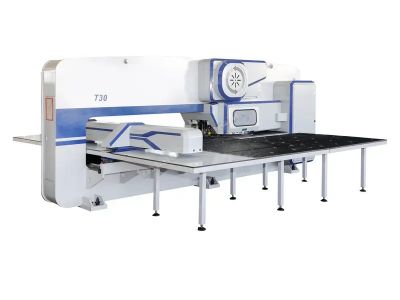
In high-frequency production environments, the durability of sheet metal benders is crucial for maintaining efficiency and quality. These machines must withstand intense operational demands while consistently delivering precise results. For B2B buyers, understanding the critical factors that influence sheet metal bender durability testing can help ensure they select the right equipment for their manufacturing needs. This article will explore essential considerations when choosing a durable sheet metal bender, evaluate performance metrics, identify reliable sourcing options, compare costs for bulk purchases, and provide installation guidelines for optimal use.
What to Consider When Choosing a Durable Sheet Metal Bender?
Selecting a durable sheet metal bender involves several important factors. First, assess the machine's construction quality, including the materials used in its manufacturing. High-quality steel or alloy components enhance the bender's longevity and resistance to wear and tear, especially in high-frequency production environments. Next, consider the machine's design and engineering. Features such as reinforced frames, precision alignment systems, and robust hydraulic systems contribute to overall durability. A machine that can handle heavy loads without compromising performance is critical for minimizing downtime and maintenance costs. Additionally, evaluate the machine bending sheet metal manufacturer's reputation and quality control processes. A supplier like Qingdao Dadong Automation Technology Co., Ltd., known for advanced R&D and strict quality control, can assure buyers of the reliability and precision of their sheet metal benders. Certifications and compliance with industry standards also indicate a commitment to quality and can be a deciding factor for buyers.
How to Evaluate Sheet Metal Bender Performance in Production?
To effectively evaluate sheet metal bender performance, key performance metrics must be considered. These include bending accuracy, speed, and repeatability. Bending accuracy is critical for ensuring that finished parts meet specifications, while speed directly impacts productivity. Look for machines that can operate at high speeds without sacrificing precision, especially in high-frequency production environments. Another important aspect is the bender's capability to handle various material types and thicknesses. A versatile machine can adapt to different production requirements, which is essential for manufacturers that work with multiple materials. Moreover, consider conducting durability testing under actual production conditions. This may involve running the bender through a series of test cycles to assess its performance over time. Observing how the machine handles prolonged use, heavy loads, and different materials can provide invaluable insights into its long-term reliability.
Where to Source Reliable Sheet Metal Benders for Wholesale?
Finding a reliable source for wholesale sheet metal benders is vital for ensuring consistent quality and supply. Start by researching established manufacturers with a proven track record in the industry. Manufacturers that specialize in CNC punch presses, press brakes, and automated sheet metal production lines, like Qingdao Dadong Automation Technology Co., Ltd., can offer a range of options tailored to your specific needs. Engaging with suppliers who provide comprehensive product documentation, including specifications and maintenance guidelines, can help ensure transparency and reliability. Additionally, consider attending industry trade shows or exhibitions to connect with multiple suppliers and evaluate their offerings firsthand.
It's also beneficial to seek recommendations from industry peers or forums, as firsthand experiences can guide you toward reputable suppliers. Establishing a relationship with a trusted manufacturer can lead to better pricing, support, and customization options in the long run.
Comparing Costs of Sheet Metal Benders for Bulk Orders
When comparing costs for sheet metal benders, several factors come into play. First, assess the price per unit based on the specifications required for your production needs. Bulk orders often come with reduced pricing, but be sure to consider the total cost of ownership, including maintenance, energy consumption, and potential downtime. In addition to the initial purchase price, consider the machine's operational efficiency. A bender that offers energy-saving features can offset higher upfront costs through reduced operational expenses. Buyers should also inquire about warranty and service agreements, which can provide added value and peace of mind. Furthermore, evaluating the sheet metal bending machine total lead time for delivery and installation is crucial. A longer lead time can impact production schedules, so factor this into your cost comparisons. Request detailed quotations from multiple suppliers, ensuring all specifications and features are clearly defined for an accurate cost analysis.
Installation Guidelines for Efficient Use of Sheet Metal Benders
Proper installation of sheet metal benders is essential for maximizing efficiency and ensuring safety in high-frequency production environments. Begin by reviewing the manufacturer's installation guidelines carefully. Ensure that the installation area is adequately prepared, with sufficient space for the equipment and operators. During installation, pay close attention to leveling and alignment. An improperly leveled machine can lead to inaccurate bending and increased wear on components. Use appropriate tools to level the machine accurately, and verify alignment with the manufacturer's specifications.
After installation, conduct a thorough inspection and testing phase. This may include running initial test cycles to ensure proper operation and identifying any potential issues. It’s advisable to involve experienced technicians during setup and testing to ensure optimal performance from the outset.
Regular maintenance checks and adherence to operational guidelines will prolong the life of the sheet metal bender and maintain production efficiency. Establishing a routine maintenance schedule can prevent unexpected downtime and enhance machine durability, further supporting a successful high-frequency production environment.
Table of Contents
- What to Consider When Choosing a Durable Sheet Metal Bender?
- How to Evaluate Sheet Metal Bender Performance in Production?
- Where to Source Reliable Sheet Metal Benders for Wholesale?
- Comparing Costs of Sheet Metal Benders for Bulk Orders
- Installation Guidelines for Efficient Use of Sheet Metal Benders