 EN

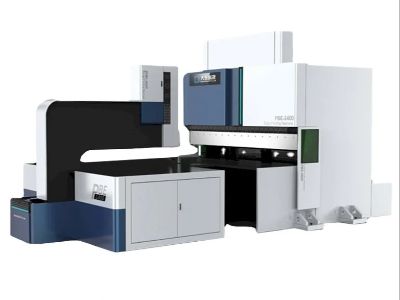
In the competitive landscape of metal fabrication, the sheet metal bender is an essential tool for production lines. This machine plays a critical role in achieving precise bends and shapes, which are vital for various applications across industries. For B2B buyers, understanding the importance of sheet metal bender involves addressing concerns related to specifications, supplier reliability, and operational efficiency. This article will provide insights into why a sheet metal bender is indispensable, covering key specifications, supplier sourcing, applications across industries, essential features, and installation guidance.
Key Specifications to Evaluate When Sourcing Sheet Metal Benders
When sourcing a sheet metal bender, buyers should focus on several key specifications to ensure the machine meets their production needs. These include:
Bending Capacity: This refers to the thickness and width of the material the bender can handle. Knowing the maximum thickness and width of the metal sheets you will be working with is crucial for selecting the right machine. If the machine cannot accommodate the intended material, it could lead to production delays or failures.
Bend Angle Accuracy: The precision of the bend angle is vital for ensuring that the final product meets design specifications. A high-quality bender should provide accurate angle adjustments to prevent rework and material wastage.
Control System: Advanced CNC (Computer Numerical Control) systems allow for automated and programmed bending operations, improving efficiency and consistency. Buyers should assess whether the control interface is user-friendly and if it includes features such as programmable bending sequences.
Material Compatibility: The materials that can be bent, such as stainless steel, aluminum, or carbon steel, should align with the buyer's requirements. Each material has unique characteristics that may affect the bending process, such as malleability and tensile strength.
Footprint and Weight: Understanding the machine's dimensions and weight is essential for planning the installation area and ensuring that it can be supported by the facility's flooring.
Evaluating these specifications will help buyers make informed decisions, ensuring that the selected sheet metal bender aligns with their manufacturing capabilities and production goals.
Where to Find Reliable Suppliers for Sheet Metal Bending Machines?
Finding a reliable supplier for sheet metal bending machines is crucial for ensuring quality and performance. Here are several avenues to consider:
Industry Trade Shows: Attending metalworking or fabrication trade shows allows buyers to see machines in action and interact directly with manufacturers. This face-to-face interaction can provide insights into the supplier's capabilities and customer service.
Online Marketplaces: Websites that specialize in industrial equipment can be valuable resources. They often provide vendor ratings, customer reviews, and detailed product specifications, allowing buyers to compare options easily.
Industry Associations: Many manufacturing and metalworking associations maintain directories of reputable suppliers. These associations often vet their members, offering an additional layer of trust.
Referrals and Recommendations: Networking with industry peers can lead to discovering reliable suppliers. Recommendations from other manufacturers or engineers can provide confidence in a supplier's performance and support.
Direct Manufacturer Outreach: Companies like Qingdao Dadong Automation Technology Co., Ltd. provide direct access to manufacturers known for their expertise in CNC small sheet metal bender and quality assurance. Engaging with manufacturers directly can yield insights into customization options and production capabilities.
Taking the time to research and vet suppliers can lead to fruitful partnerships that enhance production efficiency and machine reliability.
Applications of Sheet Metal Benders in Various Industries
Sheet metal benders are employed across numerous industries, each leveraging their capabilities for distinct applications:
Automotive Industry: In automotive manufacturing, benders are used to create complex components like chassis and brackets. Precision bending is crucial to ensure structural integrity and fit within assembly lines.
Aerospace Sector: The aerospace industry requires high-precision bending for components that must withstand extreme conditions. Sheet metal benders help fabricate parts such as wing structures and fuselage elements.
Construction: In construction, benders are utilized for fabricating ductwork, roofing systems, and structural supports. The ability to produce custom shapes and sizes is critical for meeting architectural designs.
HVAC Systems: Heating, ventilation, and air conditioning systems rely on accurately bent sheet metal for ducting and housing. The efficiency of HVAC systems can be affected by the quality of bends, making precise machinery essential.
Electronics: The electronics sector uses cnc sheet metal bender to manufacture enclosures and housings for various devices. These components often require intricate designs that can be efficiently produced with advanced bending technology.
Understanding the specific applications of sheet metal benders can guide buyers in selecting machines that meet their industry demands.
Essential Features to Look For
When evaluating sheet metal benders, several essential features should be prioritized to ensure optimal performance:
Safety Features: Safety should be a top consideration. Machines equipped with emergency stop buttons, safety guards, and sensors can minimize the risk of accidents during operation.
Ease of Use: User-friendly controls and interfaces can significantly reduce operator training time. Look for machines with intuitive programming and operation to enhance productivity.
Versatility: A bender that can handle various materials and thicknesses offers greater flexibility in production. Consider models that accommodate multiple metal types and bending processes.
Durability: The construction quality of the bender affects its longevity. Machines made from robust materials with quality components can withstand the rigors of continuous operation.
Energy Efficiency: Energy-efficient models can lead to significant cost savings over time. Look for machines that optimize energy consumption without sacrificing performance.
By focusing on these features, buyers can enhance their operational efficiency and reduce long-term costs associated with maintenance and energy consumption.
Installation Guidance for Efficient Use of Sheet Metal Benders
Proper installation of sheet metal benders is crucial for achieving optimal performance. Here are key considerations for effective installation:
Site Preparation: Ensure that the installation area is level and capable of supporting the machine's weight. Assess the surrounding environment for adequate space to operate the machine safely.
Electrical Requirements: Confirm that the electrical supply meets the machine's specifications. Incorrect power supply can lead to operational failures and may void warranties.
Calibration: Following installation, proper calibration of the machine is essential for achieving accurate bends. Consult the manufacturer's manual for specific calibration procedures and follow them meticulously.
Operator Training: Investing in training for operators can significantly improve machine efficiency and reduce the likelihood of errors. Ensure that operators understand the machine's features and safety protocols.
Regular Maintenance: Establish a routine maintenance schedule to keep the machine in optimal working condition. Regular inspections, lubrication, and timely repairs can extend the lifespan of the equipment.
By following these installation guidelines, buyers can maximize the productivity of their sheet metal benders while minimizing potential operational issues.