 EN

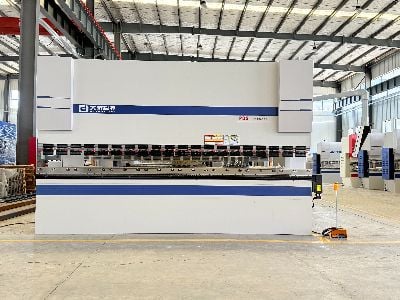
Steel sheet bending machines are vital in various manufacturing sectors, particularly in heavy industries where durability under extreme loads is crucial. This article focuses on steel sheet bending machine durability testing under heavy industrial loads, addressing key concerns for B2B buyers such as selecting the right equipment, understanding quality control, and recognizing common issues. By the end, you'll have actionable insights into evaluating and sourcing dependable steel sheet bending machine for your production needs.
How to Evaluate the Durability of Bending Machines for Bulk Orders
When evaluating the durability of steel sheet bending machines, consider several critical factors:
Material Quality: The frame and components of the machine should be constructed from high-grade steel or alloys that can withstand high stress and prevent deformation over time. Look for manufacturers, like Qingdao Dadong Automation Technology Co., Ltd., who use robust materials in their CNC punch presses and press brakes.
Load Capacity: Understand the maximum load the machine can handle effectively. This is usually specified in tons and should align with your production needs. Testing under simulated heavy loads helps ascertain whether the machine can maintain its integrity during operation.
Design and Engineering: The structural design heavily influences a machine's durability. Machines with reinforced frames and strategic support structures are less likely to experience fatigue or failure during operation. Consider designs that incorporate advanced engineering principles to enhance longevity.
Testing Protocols: Inquire about the manufacturer’s testing protocols for durability. Machines should undergo rigorous testing under various load conditions to ensure they meet industry standards. Look for independent certifications that validate the durability claims made by the manufacturer.
Maintenance Requirements: Understand the maintenance needs of the machine. A durable machine should have easily accessible components for regular maintenance. Manufacturers that provide detailed maintenance guidelines and support can help extend the sheet metal bending machine lifespan.
Reliable Suppliers for Steel Bending Machines
Finding a reliable supplier is crucial for ensuring that you receive a durable steel bending machine. Here are key considerations when selecting a supplier:
Reputation and Experience: Choose suppliers with a solid track record in manufacturing and supplying steel bending machines. Companies like Qingdao Dadong Automation Technology Co., Ltd. have extensive experience in the industry, which often correlates with reliability.
Customer Reviews and References: Look for customer reviews or case studies showcasing the supplier's machines in operation. Feedback from previous customers can provide insights into the durability and performance of the machines.
After-Sales Support: A good supplier should offer robust after-sales support, including installation, maintenance, and troubleshooting. This support is crucial for ensuring the machine remains operational and durable over time.
Customization Options: Reliable suppliers often offer customization options to meet specific production needs. This flexibility can enhance the durability of the machine in its intended application, ensuring it performs optimally under load.
Quality Certifications: Verify that the supplier has relevant certifications that demonstrate adherence to quality standards. Certifications can indicate a commitment to quality in both manufacturing processes and product testing.
Quality Control Measures for Durable Bending Machines in Production
Quality control is essential in ensuring the durability of bending machines. Here are some critical measures to consider:
Incoming Material Inspection: Manufacturers should conduct thorough inspections of raw materials before production. This ensures that only high-quality steel or alloys are used, which directly impacts the machine's durability.
In-Process Inspections: Implementing quality checks during the manufacturing process allows for early detection of defects. These inspections should evaluate critical dimensions, weld quality, and the integrity of components.
Final Testing: Before shipment, machines should undergo final testing that simulates actual operating conditions. This testing can reveal any potential weaknesses in the design or manufacturing that might affect durability.
Documentation and Traceability: Maintaining detailed documentation of the manufacturing and inspection processes enhances traceability. In case of a failure, this documentation can help identify where issues may have arisen.
Continuous Improvement: Quality control is not a one-time process; it should involve continuous monitoring and improvement. Manufacturers should regularly review their processes and incorporate feedback to enhance the durability of their bending machine.
A Complete Overview
Steel sheet bending machines are complex systems designed for shaping metal sheets into desired forms. Key specifications include:
Bending Capacity: Measured in tons, this indicates the maximum thickness and length of the steel sheets the machine can handle.
Working Length: This is the maximum length of the sheet that can be processed in one go, affecting operational efficiency for larger projects.
Control Systems: Modern machines often feature CNC controls, allowing for precision and repeatability in production.
Power Consumption: Energy efficiency is increasingly important. Machines designed to minimize energy usage while maintaining performance can provide long-term savings.
Understanding these specifications helps buyers make informed decisions based on their specific production needs.
Addressing Common Problems with Steel Sheet Bending Machines and Solutions
Steel sheet bending machines can encounter several common problems, but many can be mitigated with the right approaches:
Deformation During Bending: If sheets are not bending accurately, it may be due to improper alignment or insufficient machine calibration. Regular maintenance and calibration checks can help prevent this issue.
Tool Wear: Over time, tools can wear down, leading to poor quality bends. Using high-quality tool materials and implementing regular tool changes can help maintain quality.
Hydraulic Issues: Machines relying on hydraulic systems may experience leaks or loss of pressure. Regular checks and maintenance of hydraulic components are essential for operational reliability.
Software Glitches: In CNC machines, software issues can lead to operational errors. Regular updates and training for operators can help reduce occurrences of software-related problems.
Material Variability: Variations in sheet material can lead to inconsistent bending results. Suppliers should ensure consistent quality in materials, and buyers should conduct inspections upon receipt.
By addressing these common problems early and effectively, manufacturers can ensure the longevity and performance of their steel bending machines.
By focusing on the durability and reliability of steel sheet bending machines, buyers can make informed decisions that enhance their production capabilities and reduce long-term operational costs. Understanding how to evaluate, source, and maintain these machines will ultimately lead to better investment outcomes and improved manufacturing efficiency.