 EN

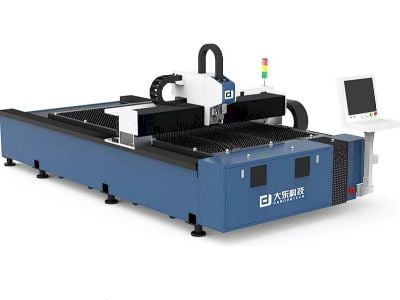
In industrial production lines, the efficiency of sheet metal bending equipment is crucial for maximizing productivity and minimizing costs. This equipment plays a vital role in shaping metal sheets into desired forms, impacting not only the quality of the final products but also the overall operational efficiency. B2B buyers, including purchasing managers and engineers, often seek to understand the factors that influence the performance and selection of sheet metal bending systems. This article will delve into the benefits of system efficiency, selection criteria, key specifications, common challenges, and applications of sheet metal bending equipment in industrial settings.
Understanding the Benefits of Sheet Metal Bending Equipment Efficiency
Efficient sheet metal bending equipment can significantly enhance production capabilities while reducing waste and operational costs. High efficiency in bending operations means faster processing times, which translates into increased throughput. For manufacturers, this efficiency often leads to improved profitability due to lower labor and energy costs. Moreover, efficient systems tend to produce higher-quality parts. When bending equipment operates smoothly and consistently, it reduces the likelihood of defects, ensuring that the end products meet stringent quality standards. This is particularly important in industries that require precision, such as automotive and aerospace, where even minor inaccuracies can lead to costly rework or safety issues.
Investing in advanced sheet metal bending machine equipment can also enhance flexibility. Modern systems often come with programmable features, allowing for quick adjustments to accommodate different sizes and shapes, thereby responding effectively to changing production demands.
How to Choose the Right Sheet Metal Bending Equipment for Your Needs?
Selecting the appropriate sheet metal bending equipment involves assessing several key factors that align with your specific manufacturing requirements.
Production Volume: Determine the expected production volume. Higher volumes often necessitate more robust and automated systems to maintain efficiency.
Material Type and Thickness: Different materials (such as aluminum, steel, or copper) have unique bending characteristics. Ensure that the equipment can handle the specific materials and thicknesses you plan to work with.
Precision Requirements: Consider the level of precision needed for your applications. CNC press brakes offer high precision for complex bends, while simpler operations might only require basic mechanical bends.
Customization Needs: If your production involves a variety of shapes and sizes, look for equipment that offers customization options and easy tool changes.
Budget and ROI: Evaluate your budget and consider the sheet metal bending equipment long-term return on investment. Sometimes, a higher upfront cost can yield substantial savings in operational efficiency and product quality over time.
By carefully assessing these factors, buyers can make informed decisions that align with their production goals and operational capabilities.
Key Specifications for High-Quality Sheet Metal Bending Systems
When evaluating sheet metal bending systems, it’s crucial to focus on several specifications that directly affect performance:
Bending Force: Measured in tons, this indicates how much force the machine can apply during the bending process. It’s essential to choose a system that can handle the material thickness and type you intend to use.
Bending Length: This specification refers to the maximum length of the sheet metal that can be processed in a single operation. Ensure it aligns with your production needs.
Back Gauge Accuracy: The back gauge is vital for ensuring consistent bends. High-quality systems will offer precise adjustments, enhancing repeatability and reducing material waste.
Control System: Look for machines with advanced control systems, such as CNC, that allow for complex programming and automation, which can significantly improve efficiency and accuracy.
Speed and Cycle Time: The speed of the metal bending machine and its cycle time can directly affect productivity. Faster cycle times mean more parts can be produced in a shorter period.
Understanding these specifications helps buyers assess whether a bending system meets their operational needs, ensuring they select a machine that optimizes production efficiency.
Common Problems in Sheet Metal Bending and Effective Solutions
While sheet metal bending equipment is essential for production, several common problems can arise, potentially impacting efficiency:
Material Wrinkling: This often occurs when the bend radius is too tight for the material thickness. To mitigate this, ensure proper tooling and adjust the bend angle as needed to accommodate the material characteristics.
Inaccurate Bends: Inaccuracies can stem from improper calibration or worn tools. Regular maintenance and calibration checks are crucial to maintaining precision. Implementing a quality control process can help catch inaccuracies early in the production cycle.
Tool Wear: Over time, bending tools can wear down, affecting the quality of bends. Establish a routine for tool inspection and replacement to avoid production delays and maintain quality.
Inconsistent Production Speeds: Variations in production speeds can lead to quality inconsistencies. Utilizing automated systems with programmable settings can help maintain consistent speeds across production runs.
By addressing these common issues proactively, manufacturers can enhance operational efficiency and product quality.
Applications of Sheet Metal Bending Equipment in Industrial Production
Sheet metal bending equipment is widely used across various industries, each with unique applications:
Automotive Industry: Bending systems are used to create components such as chassis parts, brackets, and structural elements that require high precision and durability.
Aerospace Industry: The aerospace sector demands high-quality bends for lightweight and strong components, where precision is non-negotiable for safety and performance.
HVAC Manufacturing: Bending equipment is essential for producing ducts and fittings, where efficiency and accuracy are critical for system performance.
Furniture and Fixtures: In the furniture industry, sheet metal bending is used to create frames and supports, often requiring unique designs and finishes.
Electronics Enclosures: Manufacturers create enclosures for electronic devices that require specific dimensions and features, making efficient bending essential for maintaining production timelines.
Understanding the specific applications of bending equipment helps buyers assess how it can best be utilized within their production lines, ensuring they choose systems that meet their operational needs effectively. In summary, optimizing sheet metal bending equipment efficiency in industrial production lines is crucial for enhancing productivity, reducing costs, and maintaining product quality. By understanding the benefits, making informed equipment choices and addressing common challenges, businesses can leverage their bending capabilities to achieve superior operational performance.
Table of Contents
- Understanding the Benefits of Sheet Metal Bending Equipment Efficiency
- How to Choose the Right Sheet Metal Bending Equipment for Your Needs?
- Key Specifications for High-Quality Sheet Metal Bending Systems
- Common Problems in Sheet Metal Bending and Effective Solutions
- Applications of Sheet Metal Bending Equipment in Industrial Production