 EN

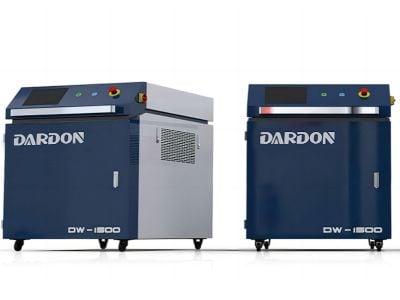
Hydraulic bending machines are critical tools in heavy-duty metal processing, enabling the precise shaping and manipulation of metal sheets in various industries. Understanding why a bending machine hydraulic hydraulic is essential can help purchasing managers, engineers, and product managers make informed decisions. This article will explore how to choose the right hydraulic bending machine, key specifications to consider, a buyer’s guide, applications in heavy-duty metal processing, and the benefits of using these machines for bulk metal fabrication.
How to Choose the Right Hydraulic Bending Machine for Your Needs?
Selecting the appropriate hydraulic bending machine involves assessing several factors that align with your operational requirements. First, consider the types of materials you will be bending, such as steel, aluminum, or other alloys, as this can affect the machine's specifications. Next, evaluate the thickness and dimensions of the materials; the machine must have sufficient capacity to handle your largest pieces.
Additionally, examine the machine's bending angle capability. Some projects may require precise angles or complex shapes, necessitating a machine with advanced features like CNC controls. Finally, consider the machine's operational environment if it will be used in a high-production setting, look for models designed for durability and high throughput. Consulting with manufacturers like Qingdao Dadong Automation Technology Co., Ltd. can provide insights into the best options for your specific needs.
Key Specifications to Consider When Sourcing Hydraulic Bending Machines
When sourcing hydraulic bending machines, several key specifications should be carefully evaluated:
Bending Capacity: Measured in tons, this indicates the maximum force the machine can apply. Ensure it meets the needs of your heaviest material.
Bending Length: This refers to the maximum sheet length the machine can accommodate. It's crucial for processing larger sheets without needing a second machine.
Control System: The type of control, whether manual, semi-automatic, or CNC, affects precision and ease of use. CNC systems offer programmable bending sequences, enhancing repeatability and reducing operator error.
Back Gauge: A critical component for bending machine ensuring consistent bending lengths. Adjustable back gauges allow for versatility in production.
Hydraulic System Specifications: Check the hydraulic pressure ratings and pump type, as these will influence performance and efficiency. A well-designed hydraulic system ensures smooth operation and longevity.
Build Quality and Materials: The machine's construction should withstand the rigors of heavy use. Look for robust frames and high-quality hydraulic components to minimize maintenance.
A Buyer’s Guide
When preparing to purchase a hydraulic bending machine, take the following steps to ensure a successful acquisition:
Define Your Requirements: Compile a detailed list of your bending requirements, including material types, thicknesses, dimensions, and production volume.
Research Manufacturers: Investigate manufacturers with a reputation for quality and reliability. Companies like Qingdao Dadong Automation Technology Co., Ltd. are known for their advanced R&D and strict quality control processes.
Request Quotes: Send RFQs to multiple suppliers, specifying your requirements. Be clear about your expectations regarding lead times, pricing, and after-sales support.
Evaluate Samples: If possible, request a sample of the machine or a demonstration. This step is vital to ensure it meets your specifications and operational needs.
Check References: Ask for references from other customers who have purchased similar equipment. Their experiences can provide valuable insights into the machine's performance and the manufacturer's service quality.
Applications of Hydraulic Bending Machines in Heavy-Duty Metal Processing
Hydraulic bending machines are integral in various applications within heavy-duty metal processing. They are extensively used in industries such as:
Construction: For bending steel sheets into structural components for buildings and bridges.
Automotive: In the fabrication of parts and frames, where precision and strength are critical.
Aerospace: For manufacturing components that require stringent quality standards and precise dimensions.
Shipbuilding: Bending large metal plates into hulls and structural elements.
These machines enable manufacturers to create complex shapes and components efficiently, ensuring high productivity and quality in heavy-duty metal fabrication.
Benefits of Using Hydraulic Bending Machines in Bulk Metal Fabrication
Utilizing hydraulic bending machines in bulk metal fabrication offers several significant benefits:
Increased Efficiency: Hydraulic systems provide greater power with less energy consumption, resulting in faster cycle times and improved productivity.
Precision and Consistency: Hydraulic bending machines allow for greater control over the bending process, ensuring accurate angles and dimensions, which is crucial for high-volume production runs.
Versatility: With the right specifications, hydraulic sheet metal bending machine can handle a wide range of materials and thicknesses, making them adaptable to various projects.
Reduced Labor Costs: Automated features, especially in CNC models, reduce the need for manual handling, allowing operators to focus on quality control and other tasks.
Longevity and Reliability: High-quality hydraulic machines are built for durability, ensuring that they can withstand the demands of heavy-duty environments while requiring less frequent maintenance.
understanding how bending machine hydraulics function and their importance in heavy-duty metal processing can significantly enhance a company's production capabilities. By carefully selecting the right machine and considering key specifications, buyers can ensure they make informed decisions that align with their operational needs.