 EN

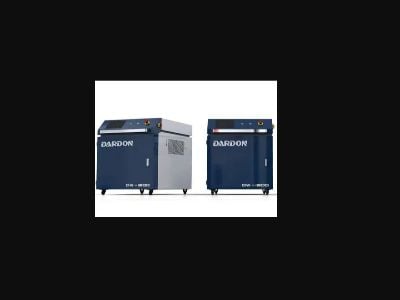
Energy efficiency optimization in bending machine hydraulic operation is critical for manufacturers looking to reduce operational costs and enhance sustainability. Bending machines, particularly those with hydraulic systems, can consume significant energy, making energy efficiency a primary concern for purchasing managers, engineers, and operations managers. , we will explore how to select energy-efficient bending machines, key specifications that impact energy usage, trusted sources for procurement, common hydraulic operation issues and solutions, and the various applications of these machines across industries.
How to Choose Energy-Efficient Bending Machines for Your Operations?
When selecting energy-efficient bending machines, consider the following factors:
Technology and Design: Look for machines that incorporate advanced hydraulic systems designed to optimize energy consumption. Variable speed pumps and servo-driven hydraulics can significantly reduce energy usage compared to traditional systems.
Energy Ratings: Check for energy efficiency ratings or certifications. Machines with higher ratings not only consume less energy but often qualify for government incentives or rebates.
Customization Options: Ensure that the machine hydraulic press machine can be tailored to meet your specific operational needs. Customization can include features that enhance efficiency, such as programmable controls that optimize hydraulic pressure based on the specific task.
Vendor Expertise: Choose a reputable manufacturer, like Qingdao Dadong Automation Technology Co., Ltd., who understands the intricacies of energy-efficient technology in bending machines and can provide support and insights.
By focusing on these aspects, buyers can ensure they are investing in machines that not only meet their production needs but also contribute to energy savings.
Key Specifications for Hydraulic Bending Machine Energy Efficiency
Several key specifications directly influence the energy efficiency of hydraulic bending machines:
Pump Type: The type of hydraulic pump plays a crucial role. Variable displacement pumps are generally more efficient than fixed displacement pumps, as they adjust flow according to the bending machine hydraulic machine's requirements.
Actuator Efficiency: The efficiency of hydraulic actuators, including cylinders and valves, contributes to overall energy consumption. Look for machines with high-efficiency actuators that minimize energy losses.
Energy Recovery Systems: Some advanced models feature energy recovery systems that capture and reuse hydraulic energy, further enhancing efficiency.
Control Systems: Modern CNC controls allow for precise management of the hydraulic system, reducing energy consumption during non-productive cycles. Features such as standby modes can also help save energy when the machine is idle.
Construction Materials: The choice of materials used in the machine can affect its weight and durability, influencing performance and energy use over time.
Understanding these specifications can help buyers select a bending machine that aligns with their energy efficiency goals.
Finding Trusted Sources for Bending Machines
When looking for trusted sources for bending machines, consider the following strategies:
Industry Reputation: Research manufacturers with a proven track record in producing energy-efficient machines. Look for customer testimonials, case studies, and reviews that validate their claims.
Certifications: Verify if the manufacturer has relevant certifications that demonstrate their commitment to quality and efficiency standards.
Trade Shows and Expos: Attend industry events where manufacturers showcase their latest technology. This offers an opportunity to see machines in action and speak directly with representatives about energy-efficient features.
Partnerships and Affiliations: Trusted manufacturers often collaborate with industry organizations or have partnerships that enhance their credibility and access to innovative technologies.
After-Sales Support: Assess the level of after-sales support provided by the punching machine hydraulic manufacturer. A strong support system can help address issues related to energy efficiency and maintenance.
By conducting thorough research and evaluating potential suppliers, buyers can ensure they find a reliable source for their energy-efficient bending machines.
Common Problems in Hydraulic Operations and Their Energy Solutions
Hydraulic operations in bending machines can face several common issues that affect energy efficiency:
Leakage: Hydraulic fluid leaks can result in significant energy losses. Regular maintenance and inspections can help identify and repair leaks before they escalate.
System Overheating: Overheating can be due to inefficient components or excessive load. Implementing cooling systems and ensuring proper fluid levels can mitigate this issue.
Inadequate Maintenance: Neglecting routine maintenance can lead to increased energy consumption. Establishing a proactive maintenance schedule ensures that all hydraulic components operate efficiently.
Incorrect Calibration: If the hydraulic system is not calibrated correctly, it can lead to excessive energy use. Regular checks and calibrations should be performed to optimize performance.
Old Technology: Outdated machines may not have energy-efficient features. Upgrading to newer models with advanced technology can result in substantial energy savings.
By addressing these common problems, manufacturers can enhance the energy efficiency of their hydraulic operations, resulting in lower operational costs and improved productivity.
Applications of Energy-Efficient Bending Machines in Various Industries
Energy-efficient bending machines are versatile tools used in numerous industries, including:
Automotive: In automotive manufacturing, these machines are crucial for producing components that require precise bending, such as frames and body panels. Energy efficiency contributes to lower production costs, which is vital in this competitive market.
Aerospace: Aerospace manufacturers utilize energy-efficient bending machines for creating lightweight structures that meet strict regulatory standards. The efficiency of these machines supports sustainable practices in a highly regulated industry.
Construction: In construction, bending machines are used for fabricating steel reinforcements. Energy efficiency in these machines helps reduce the overall environmental impact of construction projects.
HVAC: The heating, ventilation, and air conditioning industry benefits from energy-efficient bending machines for duct fabrication. This not only enhances productivity but also aligns with the industry's shift toward energy-efficient systems.
Sheet Metal Fabrication: Across various sectors, energy-efficient bending machines play a pivotal role in sheet metal fabrication. Efficient machines contribute to reduced energy costs, allowing manufacturers to offer competitive pricing.
By understanding the applications and benefits of energy-efficient bending machines, buyers can make informed decisions that align with their operational goals and sustainability initiatives.
Investing in energy efficiency optimization in bending machine hydraulic operation is not just about cost savings; it also aligns with a growing commitment to sustainability across industries.
Table of Contents
- How to Choose Energy-Efficient Bending Machines for Your Operations?
- Key Specifications for Hydraulic Bending Machine Energy Efficiency
- Finding Trusted Sources for Bending Machines
- Common Problems in Hydraulic Operations and Their Energy Solutions
- Applications of Energy-Efficient Bending Machines in Various Industries