 EN

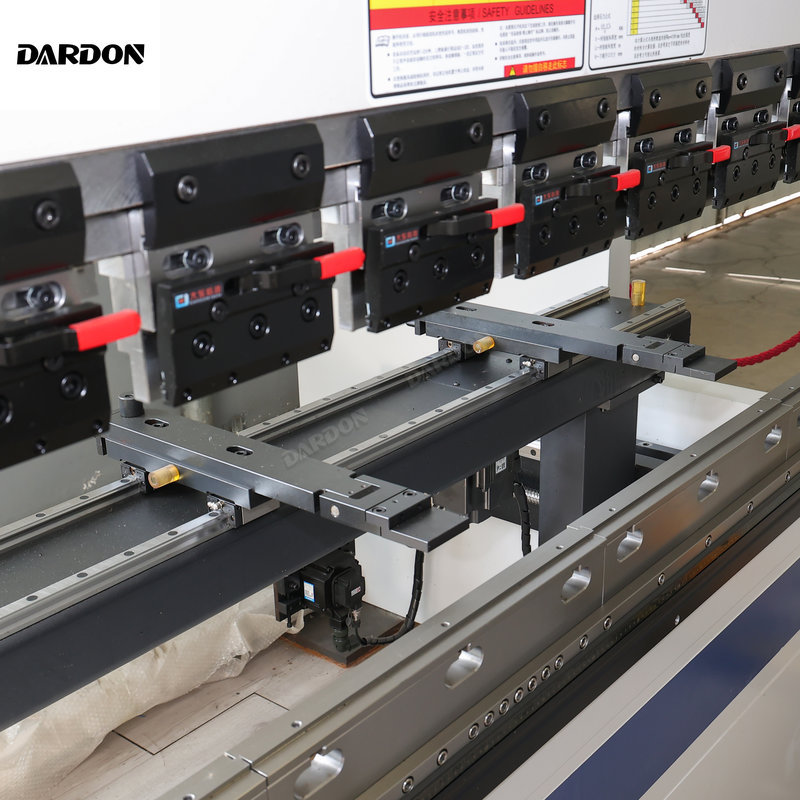
In modern sheet metal forming, the bending machine hydraulic system performance plays a critical role in ensuring precision and efficiency. As B2B buyers, purchasing managers, and engineers navigate the complexities of selecting the right hydraulic systems, they often prioritize specifications, reliability, and supplier dependability. This article will delve into key specifications for hydraulic systems, essential features to consider, sourcing reliable suppliers, installation guidance, and the most critical features in modern bending machines.
Key Specifications for Efficient Hydraulic Systems in Metal Forming
When assessing hydraulic systems for bending machines, several key specifications are vital to ensure optimal performance. These include:
Pressure Rating: The pressure rating indicates the maximum operating pressure the hydraulic system can handle. This specification is crucial as it directly impacts the machine's ability to bend various material thicknesses. Systems typically range from 2000 to 4000 psi for industrial applications, so understanding the requirements for your specific materials and applications is essential.
Flow Rate: Measured in liters per minute (L/min), the flow rate determines how quickly the hydraulic fluid can move through the system. A higher flow rate can reduce cycle times and improve overall productivity. However, selecting a flow rate that matches the bending speed required for your operations is critical to prevent excessive wear and tear on the components.
Oil Capacity: The hydraulic oil reservoir's capacity affects the system's stability and cooling efficiency. Adequate oil capacity ensures consistent performance, especially during extended operations.
Control Precision: Consider the system's control mechanisms, such as proportional or servo-controlled valves, which allow for precise adjustments in bending angles and speeds. This precision is particularly important in applications requiring tight tolerances.
Cooling System: An effective cooling system is necessary to maintain hydraulic fluid at optimal temperatures, preventing overheating and ensuring consistent performance during prolonged use.
Understanding these specifications enables buyers to evaluate hydraulic systems based on their specific needs, ensuring they select a solution that maximizes efficiency and operational longevity.
What to Look for in Hydraulic Systems?
When selecting a hydraulic system for bending machines, buyers should consider several critical factors:
Compatibility with Materials: The hydraulic system must be compatible with the materials being processed. For instance, systems designed for high-strength steel may require different specifications compared to those meant for softer metals.
Energy Efficiency: Energy-efficient hydraulic systems can lead to significant cost savings over time. Look for systems that incorporate features such as variable displacement pumps and advanced control systems to reduce energy consumption.
Maintenance Accessibility: Systems designed for easy maintenance can significantly reduce downtime. Features such as removable panels and easily accessible filters can make routine maintenance tasks more manageable.
Safety Features: Safety should be a top priority. Hydraulic systems should include safety valves, pressure relief mechanisms, and emergency shut-off controls to protect operators and equipment.
Manufacturer Reputation: Researching the manufacturer's reputation for quality and service can provide insights into the reliability of the hydraulic system. Established manufacturers like Qingdao Dadong Automation Technology Co., Ltd. have a track record of delivering high-precision, energy-efficient solutions, making them a trustworthy option for buyers.
By focusing on these factors, buyers can make informed decisions that align with their operational goals and enhance overall productivity.
Where to Source Reliable Suppliers for Bending Machines?
Sourcing reliable suppliers for bending machines and hydraulic systems requires a thorough approach:
Industry Networks: Engage with industry networks and trade associations to connect with reputable suppliers. Participating in trade shows and industry events can provide valuable opportunities to meet potential suppliers and assess their offerings firsthand.
Online Research: Utilize online platforms such as supplier directories and review sites to find manufacturers with positive feedback from other businesses. Look for companies that specialize in your specific industry needs, as they will have tailored experience.
Request for Proposals (RFPs): Prepare a detailed RFP outlining your requirements and distribute it to selected suppliers. This process allows you to compare offers comprehensively, ensuring that you choose a supplier that meets your specifications and budget.
References and Case Studies: Always ask for references from previous clients and review case studies that showcase the supplier's capabilities and performance. This will help you gauge their reliability and the quality of punching machine hydraulic their products.
Quality Certifications: Verify that potential suppliers hold relevant quality certifications, such as ISO 9001, which indicates adherence to international quality management standards.
By implementing these strategies, buyers can identify suppliers that not only meet their immediate needs but also offer long-term reliability and support.
Installation Guidance for Optimizing Hydraulic Systems in Metal Work
Proper installation of hydraulic systems is crucial for maximizing performance and longevity. Here are some key considerations for ensuring a successful installation:
Site Preparation: Ensure that the installation site is clean, dry, and adequately prepared. This includes checking for sufficient space, proper electrical connections, and adequate drainage for hydraulic fluids.
Follow Manufacturer Instructions: Adhere to the manufacturer's installation guidelines closely. These instructions provide critical information about component placement, bending machine hydraulic line routing, and connection methods.
Pressure Testing: Conduct pressure testing after installation to verify that all connections are secure and leak-free. This step is vital to prevent potential failures during operation.
System Calibration: Calibrate the hydraulic system according to the manufacturer’s specifications. This may include adjusting pressure settings, flow rates, and control parameters to align with operational requirements.
Operator Training: Ensure that operators are trained on the specific hydraulic system being used. They should understand how to monitor system performance, recognize warning signs of malfunction, and conduct routine maintenance checks.
By following these guidelines, companies can optimize their hydraulic systems for sheet metal forming, enhancing efficiency and reducing the likelihood of operational issues.
Which Features Matter Most?
When evaluating features of bending machines and their hydraulic systems, prioritize the following:
Variable Speed Control: This feature allows operators to adjust bending speeds based on material type and thickness, improving versatility and precision.
Flexibility in Bending Angles: Machines that offer adjustable bending angles can accommodate a wider range of applications, making them more valuable for diverse projects.
Integrated Safety Systems: Features such as automatic shut-off and overload protection are essential for operator safety and can prevent costly damage to the machine.
User-Friendly Interfaces: Intuitive control panels and software can enhance operator efficiency, reducing errors and training time.
Customizability: Look for machines that allow for custom configurations to meet specific production needs or unique material requirements.
By focusing on these features, buyers can select bending machines that not only meet their operational demands but also enhance productivity and safety in the workplace. 6Selecting the right bending machine hydraulic press hydraulic system involves understanding specifications, identifying essential features, sourcing reliable suppliers, and ensuring proper installation. By following the insights outlined , B2B buyers can make informed purchasing decisions that align with their operational needs and industry standards.