 EN

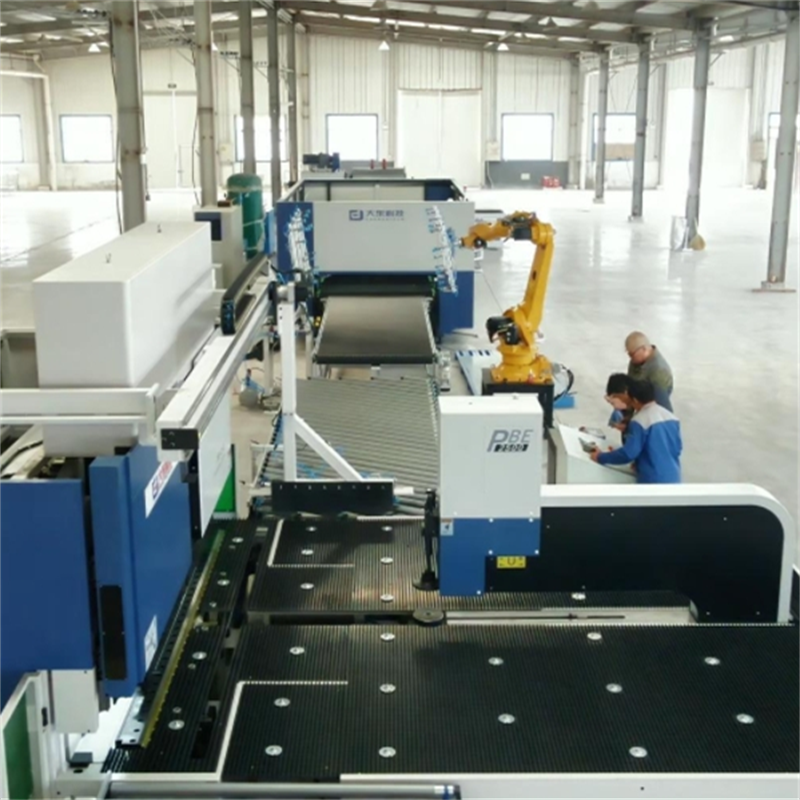
Hydraulic bending machines play a crucial role in improving accuracy during angle bending operations, making them indispensable for manufacturers seeking precision in their production processes. These machines use hydraulic force to manipulate metal sheets into desired angles, ensuring consistent quality and reducing the risk of waste. This article will delve into how hydraulic bending machine enhance precision, key specifications to consider, their features and benefits, common issues faced in angle bending, and their diverse applications across industries.
How Hydraulic Bending Machines Enhance Precision in Angle Bending?
Hydraulic bending machines enhance precision in angle bending operations through several mechanisms. The use of hydraulic systems allows for precise control over the bending force and angle, which is critical in achieving accurate results. The hydraulic pressure can be finely adjusted, enabling operators to bend materials with minimal deviation from the specified angle.
Moreover, these machines often incorporate advanced CNC (Computer Numerical Control) technology, which automates the bending process. This automation reduces human error by ensuring that each bend is executed according to pre-programmed specifications. The repeatability of bending machine hydraulic ensures that multiple pieces produced in succession maintain the same dimensions and angles, which is vital for projects requiring high-volume production runs.
Additionally, hydraulic machines are capable of handling a wide range of materials, including various thicknesses and types of metal. This versatility enhances their ability to meet different project specifications while maintaining accuracy.
Key Specifications of Hydraulic Bending Machines for Accurate Bending
When evaluating hydraulic bending machines, several key specifications are essential for ensuring accuracy:
Bending Capacity: This refers to the maximum thickness and width of the material that the machine can process. Understanding the bending capacity is crucial for selecting a machine that meets the specific needs of your projects.
Stroke Length: The stroke length determines how far the machine's ram can move. A longer stroke can facilitate bending larger materials, while a shorter stroke is suitable for smaller pieces.
Bending Angle Range: The range of angles that the machine can achieve is critical, especially for projects that require various angles. Machines that can accurately bend within a wider range offer greater flexibility.
Control System: Machines equipped with advanced CNC controls allow for precise programming of bending operations. The ability to save and recall programs is a significant advantage for manufacturers.
Hydraulic Pressure: The maximum hydraulic pressure affects the force exerted during bending. Higher pressure typically allows for bending thicker materials, but it must be matched to the machine's design and the materials used.
Accuracy and Repeatability: Look for specifications that detail the machine’s accuracy, often measured in millimeters. A machine with a guaranteed repeatability of ±0.1 mm or better is ideal for high-precision applications.
These specifications can significantly influence the machine's performance and suitability for particular tasks, making it essential to match them with the intended applications.
Features and Benefits
Hydraulic bending machines come equipped with several features designed to enhance productivity and precision:
Automatic Back Gauge: This feature allows for quick and accurate positioning of the material before bending, reducing setup time and minimizing errors.
Safety Features: Many hydraulic machines include safety systems such as emergency stop buttons and guards that protect operators from injury during operation.
Energy Efficiency: Modern hydraulic bending equipment are designed to consume less energy while maintaining high performance, which can lead to reduced operational costs over time.
User-Friendly Interfaces: Intuitive control panels with digital displays and touch screen functionality simplify operation, even for less experienced operators.
The combination of these features leads to increased productivity, reduced labor costs, and a more streamlined bending process.
Common Problems in Angle Bending and Hydraulic Solutions
While hydraulic bending machines are designed for precision, several common issues can arise during angle bending operations:
Material Springback: After bending, materials may return slightly to their original shape due to elastic properties. This can result in inaccuracies. To mitigate this, operators can apply a slight over-bend, compensating for the expected springback based on material type.
Inconsistent Bending Angles: Variability in material thickness or machine calibration can lead to inconsistent angles across batches. Regular maintenance and calibration of the hydraulic system are vital to ensure accuracy.
Surface Damage: Improper handling or inadequate tooling can cause scratches or dents on the surface of the bent material. Using proper tools and handling techniques can minimize this risk, ensuring that the final product remains visually and structurally sound.
Hydraulic Leaks: Over time, hydraulic systems may develop leaks, leading to loss of pressure and performance. Regular inspections and maintenance of hydraulic components can prevent this issue.
Understanding these common problems allows manufacturers to implement proactive solutions, ensuring smoother operations and higher-quality outputs.
Applications of Hydraulic Bending Machines in Various Industries
Hydraulic bending machines are utilized across a wide array of industries due to their versatility and precision. Some notable applications include:
Automotive Industry: Used for bending components such as frames, brackets, and exhaust systems, ensuring high precision for safety and performance.
Construction: Essential for creating structural components, railings, and supports where accurate angles are critical for integrity and safety.
Aerospace: Used to produce parts that require stringent adherence to specifications, ensuring safety and performance in flight.
Shipbuilding: Vital for forming hull components and structural elements, where precision is essential for performance and durability.
HVAC Manufacturing: Employed in the production of ductwork and fittings, ensuring that components fit together seamlessly for efficient airflow.
By understanding the applications of hydraulic bending machines, buyers can better assess their needs and identify the right solutions for their specific industries.
In summary, hydraulic bending machines are integral to achieving accuracy in angle bending operations. With the right specifications, features, and an understanding of common challenges, manufacturers can enhance their production capabilities and deliver high-quality products to their customers.