 EN

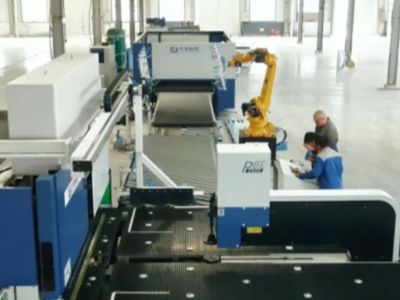
In the realm of large-scale fabrication workflows, the efficiency of production processes is paramount. A line bender plays a crucial role in this environment, significantly enhancing productivity by streamlining the bending of sheet metal components. This article will explore how a line bender improves efficiency in large-scale fabrication workflows while addressing common buyer concerns such as specifications, sourcing, quality evaluation, and installation guidance.
Key Specifications to Consider When Choosing a Line Bender
When selecting a line bender, several key specifications should be considered to ensure it meets your production needs. The bending capacity, which refers to the maximum thickness and width of the material the machine can handle, is crucial. For example, if you're working with thicker materials, you need a machine designed to accommodate that weight without compromising performance.
Another important specification is the bending angle range, which determines the versatility of the machine. A cnc panel bender that can handle various angles will allow for greater flexibility in production. Additionally, the speed of operation is a significant factor, higher speeds lead to increased throughput and efficiency in large-scale operations.
Lastly, consider the automation features available. Advanced models may offer programmable settings and integration with other automated systems, enhancing workflow efficiency and reducing the risk of human error during production.
Where to Source Reliable Line Benders for Your Fabrication Needs?
Sourcing a reliable line bender involves more than just finding a good price. Start by identifying manufacturers with a proven track record in the industry, such as Qingdao Dadong Automation Technology Co., Ltd. Companies with a strong reputation often provide not only quality products but also robust customer support and service.
Trade shows and industry exhibitions are excellent venues for discovering reputable suppliers. These events allow you to see the machinery in action, speak directly with representatives, and assess the quality of their products firsthand. Online platforms and industry-specific directories can also provide leads on manufacturers and distributors.
It’s essential to evaluate potential suppliers based on their experience, manufacturing capabilities, and customer reviews. Requesting references from previous clients can provide insights into the reliability and performance of their line sheet metal bender.
Evaluating the Quality of Line Benders for Bulk Purchase Decisions
Quality evaluation is critical when considering bulk purchases of line benders. Begin by requesting detailed specifications and certifications from manufacturers to ensure compliance with industry standards. Certifications such as ISO can indicate that a manufacturer adheres to quality management principles.
Conducting a thorough inspection of a sample unit before placing a bulk order is advisable. Key factors to examine include the build quality, material integrity, and operational functionality. Testing the machine under conditions similar to your production environment can reveal potential issues that may not be apparent from documentation alone.
Additionally, consider the availability of after-sales support. A manufacturer that offers training, maintenance guidance, and responsive customer service can prevent future operational challenges and ensure that your investment remains productive over time.
Common Problems in Fabrication and Line Bender Solutions
Several common problems may arise in fabrication processes that a line bender can help mitigate. One prevalent issue is inconsistent bending results, which can occur due to improper machine settings or material variations. A high-quality line bender minimizes these inconsistencies through precise control mechanisms and adjustable parameters tailored to specific materials.
Another challenge is production downtime due to equipment malfunctions. Selecting a line bender with robust construction and proven reliability can reduce the likelihood of breakdowns. Moreover, incorporating automated features can decrease the burden on operators, allowing them to focus on monitoring production rather than constant adjustments.
Lastly, material wastage is a significant concern. Line benders that allow for precise measurements and cuts can help optimize material use, resulting in cost savings and a more environmentally friendly workflow.
Installation Guidance for Maximizing Line Bender Performance
Proper installation of a line bender is crucial for maximizing its performance and longevity. Begin by selecting a suitable location that allows for adequate space and access for maintenance activities. Ensure the machine is installed on a stable foundation to avoid vibrations that can affect accuracy and performance.
During installation, it's essential to configure the machine settings according to the manufacturer's specifications. This includes calibrating the bending angles, aligning the material feed, and adjusting the speed settings. Following these guidelines will help prevent operational issues down the line.
Training operators on the correct usage of the line bender is also vital. Comprehensive training ensures that staff are familiar with the machine’s capabilities and limitations, which can enhance productivity and minimize the risk of accidents.
By understanding these aspects of line bender selection and operation, buyers can make informed decisions that improve efficiency in their large-scale fabrication workflows.
Table of Contents
- Key Specifications to Consider When Choosing a Line Bender
- Where to Source Reliable Line Benders for Your Fabrication Needs?
- Evaluating the Quality of Line Benders for Bulk Purchase Decisions
- Common Problems in Fabrication and Line Bender Solutions
- Installation Guidance for Maximizing Line Bender Performance