 EN

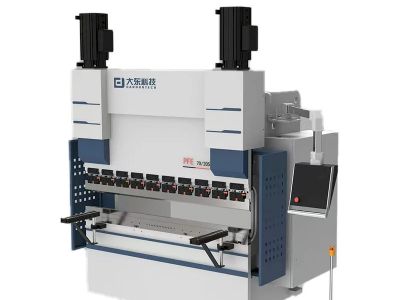
In the realm of industrial fabrication workshops, sheet metal bender precision forming plays a crucial role in creating components with exact specifications. For B2B buyers, particularly purchasing managers and engineers, the reliability and performance of bending equipment are of paramount importance. This article will guide you through evaluating quality in sheet metal bender machines, sourcing reliable suppliers, understanding cost factors in bulk orders, identifying common problems and solutions, and providing valuable wholesale purchasing tips.
How to Evaluate Quality in Sheet Metal Bending Equipment?
When assessing the quality of sheet metal benders, several key specifications must be considered. First, the bending accuracy, typically measured in degrees, directly impacts the final product's fit and function. Precision forming ensures that parts meet stringent tolerances, which is essential in industries like automotive and aerospace.
Next, consider the machine's construction and materials. High-quality benders often use heavy-duty steel frames that provide stability and reduce vibrations during operation. This stability is critical for achieving repeatable results, especially when dealing with thin materials that can easily warp.
Additionally, the hydraulic system's efficiency is a significant factor. A high-quality hydraulic system can deliver consistent pressure, which is vital for uniform bends across multiple pieces. Buyers should also inquire about the machine's control systems CNC (Computer Numerical Control) systems allow for enhanced automation, programming capabilities, and precision.
Lastly, a solid track record of quality control processes is non-negotiable. Manufacturers like Qingdao Dadong Automation Technology Co., Ltd. implement rigorous testing and inspection protocols to ensure that every machine meets high standards before it is shipped.
Where to Source Reliable Suppliers for Sheet Metal Benders?
Finding trustworthy suppliers for sheet metal benders involves thorough research and consideration of various factors. Start by looking for manufacturers with a strong reputation in the industry, which can often be verified through client testimonials or case studies. Inquire about their experience in producing specific types of bending machines that meet your project's requirements.
Trade shows and industry expos are excellent venues for networking and discovering potential suppliers. Engaging with manufacturers face-to-face allows for small sheet metal bender direct discussions about capabilities, customization, and quality assurance processes.
Online platforms and directories can also be useful. Look for suppliers who exhibit transparency in their operations, such as providing detailed product specifications, certifications, and production capabilities. It's advisable to request samples or visit the manufacturing facility when possible to gain firsthand experience of their operations.
Cost Factors in Bulk Orders of Sheet Metal Bending Machines
Pricing for bulk orders of sheet metal bending machines can be influenced by various factors. First, the complexity of the machine directly impacts the cost; more advanced models with enhanced features will generally carry a higher price tag. Customization requirements can also affect pricing, as tailored solutions may require additional engineering time and resources.
Another significant factor is the quantity ordered. Many manufacturers offer tiered pricing, where larger orders benefit from reduced unit costs. However, it's essential to balance the benefits of bulk purchasing with your actual production needs to avoid excess inventory.
Shipping and logistics costs should also be factored into the overall expense. International shipping can add significant costs, so consider sourcing from local suppliers when feasible. Additionally, inquire about warranties and after-sales support, as these can provide long-term value that offsets initial purchase costs.
Common Problems in Sheet Metal Bending and Effective Solutions
Buyers should be aware of common issues that can arise during sheet metal bending operations. One frequent problem is material spring-back, where the metal doesn’t retain the desired bend angle after release. This can be mitigated by pre-bending or using specific materials that have better formability characteristics.
Another challenge is the risk of surface damage during bending. To address this, it's essential to use protective coatings or specialized tooling that minimizes contact and friction, thus preserving the material’s surface integrity.
Lastly, inconsistent results can arise from improper machine calibration. Regular maintenance and calibration checks are critical to ensure that machines operate within specified tolerances. Establishing a standard operating procedure (SOP) for regular machine checks can help maintain quality and reduce downtime.
Wholesale Purchasing Tips for Sheet Metal Bending Equipment
When preparing for wholesale purchases of sheet metal bending equipment, buyers should gather comprehensive information to present to suppliers. Key details include the specific types of bends required, the thickness and type of material, and the expected volume of production.
Engaging in detailed discussions with potential suppliers about their customization capabilities can lead to better-suited machines for your specific applications. Additionally, ask about lead times for production and delivery, as well as the availability of spare parts and technical support.
Before finalizing orders, always request a sample run or prototype to evaluate the machine's performance under your conditions. This not only helps in confirming the machine's capabilities but also allows for adjustments before mass production begins.
In summary, being informed about the various aspects of cnc sheet metal bender precision forming in industrial fabrication workshops will empower B2B buyers to make educated purchasing decisions. By focusing on quality evaluation, supplier reliability, cost factors, common challenges, and effective purchasing strategies, you can ensure your operations are equipped with the best machinery suited to your needs.
Table of Contents
- How to Evaluate Quality in Sheet Metal Bending Equipment?
- Where to Source Reliable Suppliers for Sheet Metal Benders?
- Cost Factors in Bulk Orders of Sheet Metal Bending Machines
- Common Problems in Sheet Metal Bending and Effective Solutions
- Wholesale Purchasing Tips for Sheet Metal Bending Equipment