 EN

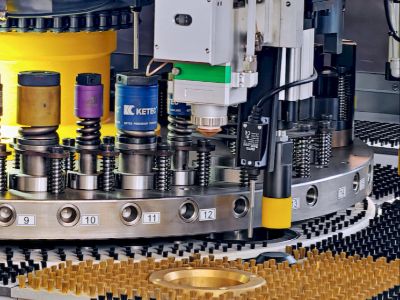
Hydraulic deep drawing presses are crucial tools in the industrial metal forming sector, enabling the efficient production of complex shapes from sheet metal. As the market trends of hydraulic deep drawing presses evolve, buyers such as purchasing managers and engineers must consider various factors, including specifications, quality, and cost. This article will provide an in-depth understanding of these aspects to aid in making informed purchasing decisions.
Key Specifications to Consider in Hydraulic Deep Drawing Presses
When evaluating hydraulic deep drawing presses, certain specifications are vital to ensuring the machine meets production needs. Key specifications include:
Press Force: The tonnage rating indicates the press's capacity to exert force on the material. Buyers must assess the required force based on the thickness and type of metal being processed. Insufficient force can lead to incomplete forming or material defects.
Stroke Length: This determines how deep a draw can be achieved. Longer strokes allow for deeper forming, which is essential for creating complex shapes. However, the stroke length must be compatible with the material's characteristics and intended application.
Table Size: The dimensions of the working table are crucial for accommodating various sheet metal sizes. A larger table provides flexibility for different projects but may also require a larger footprint in the production area.
Speed and Automation Features: The hydraulic press operational speed can significantly impact productivity. Advanced models may include features such as automatic feeding systems or programmable controls, which enhance efficiency and precision.
Material Compatibility: Buyers should confirm that the press can handle the specific materials they intend to use, including variations in metal types and thicknesses.
Understanding these specifications allows buyers to align their production needs with the capabilities of the hydraulic deep drawing press, leading to efficient and effective operations.
Evaluating Quality Factors in Hydraulic Deep Drawing Press Manufacturing
Quality is paramount in the manufacturing of hydraulic deep drawing presses. Several factors can influence the overall quality of these machines:
Material Selection: The quality of the components used in the press affects its durability and performance. High-strength steel and precision-engineered parts enhance the machine's reliability and lifespan.
Manufacturing Processes: Quality control during production is essential. Processes such as CNC machining ensure precision, while thorough testing of each unit can identify potential issues before delivery.
Certifications and Standards: Manufacturers should adhere to industry standards, such as ISO certifications, which indicate a commitment to quality and safety. This is particularly important in industries where regulatory compliance is critical.
After-Sales Support: A reputable manufacturer will offer robust after-sales support, including maintenance services and availability of spare parts. This support is vital for minimizing downtime and ensuring the machine operates efficiently over its lifespan.
By carefully evaluating these quality factors, buyers can ensure they are investing in a hydraulic press machine drawing press that meets their operational needs and stands the test of time.
Cost Factors to Consider When Purchasing Hydraulic Deep Drawing Presses
The purchase of hydraulic deep drawing presses involves various cost considerations that extend beyond the initial price tag. Key factors include:
Initial Investment vs. Long-Term Value: While a lower upfront cost may seem appealing, buyers should assess the long-term operational costs, including energy consumption, maintenance, and potential downtime. A more expensive model may offer better efficiency and lower overall costs.
Customization Requirements: Customization can significantly impact pricing. Buyers should specify their unique requirements upfront to receive accurate quotes. Features like automation, specialized tooling, and enhanced safety measures can all affect the final cost.
Shipping and Installation Costs: Transportation and installation can add to the total expense of acquiring a hydraulic deep drawing press. It's important to factor in these costs when budgeting for the machine.
Financing Options: Many manufacturers offer financing options that can help distribute the cost over time. Buyers should inquire about financing plans that suit their budget and cash flow.
By considering these cost factors, buyers can make a more informed decision that balances initial investment with long-term value.
Common Problems and Solutions in Hydraulic Deep Drawing Press Operations
While hydraulic deep drawing presses are robust machines, they can experience various operational issues. Common problems include:
Material Wrinkling: This occurs when the metal does not flow evenly during the drawing process, leading to defects. To mitigate this, operators should ensure that the blank holder pressure is correctly adjusted and that the material is properly lubricated.
Tool Wear: Regular use can lead to tool wear, impacting the precision of the formed parts. Implementing a routine maintenance schedule that includes tool inspection and replacement can help maintain production quality.
Hydraulic System Failures: machine hydraulic press leaks or pressure drops can disrupt operations. Regular maintenance checks and monitoring hydraulic fluid levels can prevent such issues from arising.
Inconsistent Output Quality: Variations in the quality of the formed parts can result from fluctuations in machine settings or material inconsistencies. Establishing standardized operating procedures and conducting regular quality control checks can help ensure consistent results.
Addressing these common problems proactively can enhance the efficiency and reliability of hydraulic deep drawing press operations.
Bulk Order Benefits for Hydraulic Deep Drawing Press Purchases
Purchasing hydraulic deep drawing presses in bulk can offer several advantages to businesses looking to scale their operations. Key benefits include:
Cost Savings: Bulk orders often come with discounted pricing, reducing the overall cost per unit. This can be particularly beneficial for companies looking to expand their production capabilities without significantly increasing their budget.
Streamlined Procurement Process: Ordering multiple machines simultaneously can simplify the procurement process, reducing administrative overhead and expediting the delivery timeline.
Consistent Quality and Specifications: Ordering several presses at once ensures that all machines are manufactured to the same specifications, reducing the risk of inconsistencies in performance and output quality.
Enhanced Supplier Relationships: Establishing a bulk purchasing agreement can strengthen relationships with suppliers, leading to better support and potentially favorable terms in future transactions.
Considering these benefits can help businesses make strategic decisions when investing in hydraulic deep drawing presses, ultimately supporting their growth and operational efficiency.
Table of Contents
- Key Specifications to Consider in Hydraulic Deep Drawing Presses
- Evaluating Quality Factors in Hydraulic Deep Drawing Press Manufacturing
- Cost Factors to Consider When Purchasing Hydraulic Deep Drawing Presses
- Common Problems and Solutions in Hydraulic Deep Drawing Press Operations
- Bulk Order Benefits for Hydraulic Deep Drawing Press Purchases