 EN

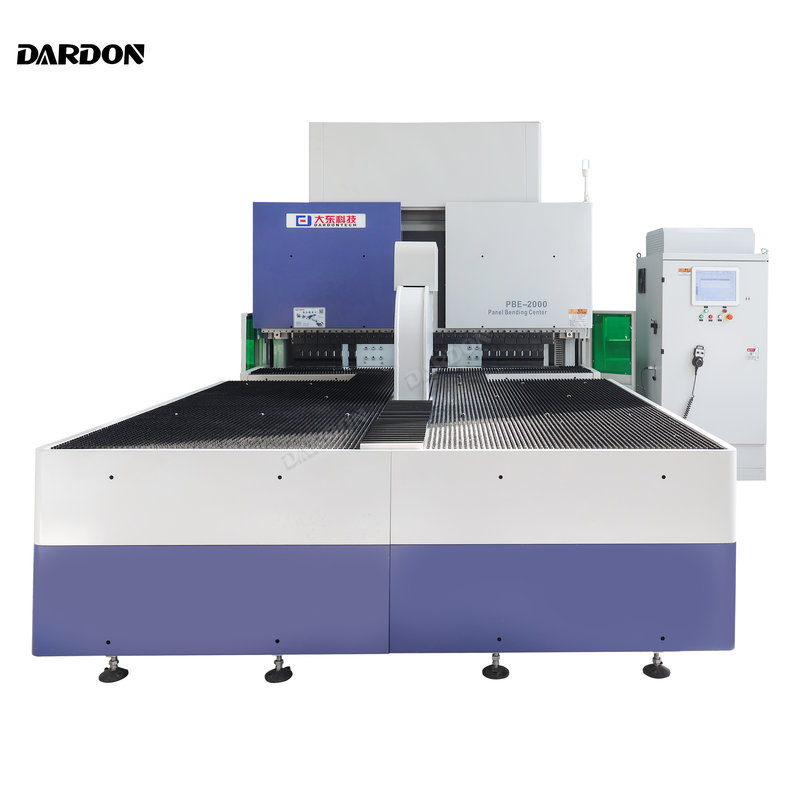
Understanding the significance of sheet metal bending equipment is crucial for any business involved in high-volume fabrication. This equipment is essential for producing precise, consistent bends in metal sheets, directly impacting the quality and efficiency of your manufacturing processes. , we will explore why sheet metal bending equipment is indispensable, how to select the right machines for your operations, critical specifications to consider, the importance of evaluating suppliers, and common challenges in the bending process along with their solutions.
Why Sheet Metal Bending Equipment Enhances High-Volume Production?
Sheet metal bending equipment, such as press brakes, is vital for high-volume production because it allows for the rapid and accurate shaping of metal sheets into various forms required in multiple industries. The precision of bends directly affects the fit and function of assembled components, which is particularly crucial in sectors like automotive, aerospace, and construction.
High-volume production requires not only speed but also repeatability. Advanced CNC press brakes ensure that each bend is consistent, reducing material waste and decreasing the sheet metal bending machine need for rework. Such efficiency leads to increased throughput, enabling businesses to meet tight deadlines and reduce labor costs. Furthermore, modern machines often incorporate energy-efficient technologies, lowering operational costs while maintaining high performance.
Choosing the Right Sheet Metal Bending Equipment for Your Needs
When selecting sheet metal bending equipment, consider the specific requirements of your production line. Key factors include the thickness of the materials you will be bending, the types of bends needed, and the overall production volume. For instance, a press brake capable of handling thicker materials may be necessary for heavy industrial applications,
while lighter models may suffice for consumer goods. Additionally, consider whether you need manual, semi-automated, or fully automated systems. Automated machines can greatly enhance efficiency, especially in high-volume environments where speed and precision are critical. Always assess the sheet metal bending equipment compatibility of the equipment with your existing production lines and future scalability options.
Key Specifications to Consider in Sheet Metal Bending Machines
When evaluating sheet metal bending machines, several key specifications should be prioritized:
Bending Capacity: This refers to the maximum thickness and length of material the machine can handle. Ensure that the specifications align with your production needs.
Bending Angle Precision: The ability to achieve specific angles consistently is vital for ensuring product quality. Look for machines that offer high precision in angle settings.
Stroke Length: This affects the depth of the bending operation. A longer stroke allows for more complex bends but may require a larger footprint.
Control Systems: Modern CNC controls enable more complex programming and increased automation. Evaluate whether the control system offers a user-friendly interface and adequate programming features.
Material Type Compatibility: Different bending machines are optimized for various materials, including aluminum, stainless steel, and mild steel. Ensure the machine you choose is suited for the materials you plan to work with.
Evaluating the Quality of Sheet Metal Bending Equipment Suppliers
Choosing the right supplier is as important as selecting the right machine. Start by evaluating the supplier's reputation in the industry. Look for manufacturers that specialize in sheet metal bending equipment and have a proven track record of delivering quality machines.
Check for certifications and quality control processes that indicate a commitment to excellence. A reliable supplier should provide detailed information regarding their manufacturing processes, including any testing protocols for their equipment. Additionally, consider their customer service and support options, as prompt assistance can be sheet metal bending equipment crucial during installation and troubleshooting.
It's also wise to seek out references or case studies from other businesses that have used the supplier’s equipment to gain insight into performance and reliability in real-world applications.
Common Challenges in Sheet Metal Bending and Their Solutions
Despite the advancements in sheet metal bending technology, manufacturers may face several challenges. Here are common issues and practical solutions:
Material Springback: This occurs when the metal tries to return to its original shape after bending. To mitigate this, precise calculations and adjustments in tooling and bend angles can be made during the setup phase.
Inconsistent Bends: Variability in results can stem from tool wear or improper machine settings. Regular maintenance and calibration of machines, along with the use of high-quality tooling, can help maintain consistency.
Limited Production Flexibility: As market demands shift, the ability to adapt to different product designs is essential. Investing in versatile machines that can handle a range of materials and thicknesses can enhance flexibility.
Safety Concerns: Sheet metal bending can pose safety risks if not managed properly. Implementing robust safety protocols and ensuring operators are adequately trained can help prevent accidents.
investing in the right sheet metal bending equipment is essential for any business engaged in high-volume fabrication. By understanding the critical aspects of equipment selection, specifications, supplier evaluation, and common challenges, you can make informed decisions that enhance productivity, efficiency, and safety in your operations.
Table of Contents
- Why Sheet Metal Bending Equipment Enhances High-Volume Production?
- Choosing the Right Sheet Metal Bending Equipment for Your Needs
- Key Specifications to Consider in Sheet Metal Bending Machines
- Evaluating the Quality of Sheet Metal Bending Equipment Suppliers
- Common Challenges in Sheet Metal Bending and Their Solutions