 EN

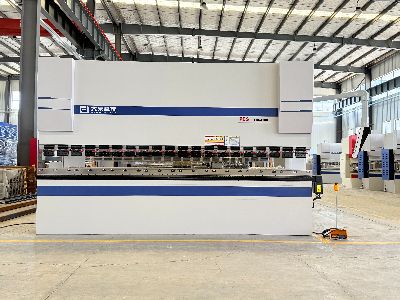
In the era of smart factories, sheet metal bending equipment automation upgrades are crucial for enhancing production efficiency and precision. As a B2B buyer, understanding the intricacies of these upgrades can significantly influence purchasing decisions, ensuring your operations meet the demands of modern manufacturing. This article will guide you through essential considerations when selecting automation solutions for sheet sheet metal bending machine, helping you navigate the complexities of equipment evaluation, cost implications, installation, and supplier comparisons.
What to Consider When Choosing Sheet Metal Bending Equipment for Automation?
When selecting sheet metal bending equipment for automation, several critical factors must be considered. First, evaluate the machine's compatibility with your existing production line. The automation system should seamlessly integrate with current processes to minimize downtime and ensure a smooth transition. Additionally, consider the machine's specifications, such as bending capacity, material thickness, and angle accuracy, as these directly affect the final product quality. Another vital aspect is the level of automation required. Some operations may benefit from fully automated systems, while others might only need semi-automated solutions. Assess your production volume and the complexity of the sheet metal bending equipment parts being bent. Higher volumes and complex geometries typically justify investing in advanced automation technologies, such as CNC punch presses or press brakes, which can significantly improve production efficiency. Lastly, look for manufacturers that offer support and training during the implementation phase. A reliable supplier will not only provide quality equipment but also ensure your team is well-equipped to operate the machinery efficiently.
How to Evaluate the Quality of Sheet Metal Bending Automation?
Evaluating the quality of sheet metal bending automation involves examining several key indicators. Start with the equipment's build quality and durability. Machines made from high-grade materials tend to endure the rigors of industrial use better, reducing maintenance costs in the long run. Additionally, inquire about the manufacturer's quality control processes. A company that employs rigorous testing and inspection protocols demonstrates a commitment to delivering reliable machinery. Next, consider the technological features of the bending equipment. Advanced automation technologies, such as metal bending machine adaptive control systems and real-time monitoring, enhance precision and reduce errors. These features can lead to significant time and cost savings, making them worthwhile investments. Finally, look for user feedback and industry certifications. Customer testimonials and independent reviews can provide insights into the equipment's performance and reliability. Certifications from recognized bodies can also indicate that the equipment meets industry standards for safety and efficiency.
Cost Factors to Consider for Sheet Metal Bending Automation Upgrades
The cost of upgrading to automated sheet metal bending equipment can vary significantly based on several factors. First, consider the initial purchase price of the machinery. While high-quality, advanced equipment may require a larger upfront investment, it can lead to lower operational costs over time due to enhanced efficiency and reduced waste. Additionally, factor in the costs associated with installation and training. Proper installation is critical for ensuring the equipment operates correctly and safely. Investing in professional installation services, along with comprehensive training for your staff, can maximize the benefits of your automation upgrade.
Ongoing operational costs should also be taken into account. This includes maintenance, energy consumption, and the potential need for spare parts. Energy-efficient machines can lead to substantial savings in the long term, making them a more attractive option despite a higher initial cost. Lastly, evaluate the potential return on investment (ROI). Analyze how automation can improve production speed and quality, leading to increased output and customer satisfaction. This assessment will help you justify the costs involved in upgrading your sheet metal bending equipment.
How to Install Automated Sheet Metal Bending Equipment Effectively?
The installation of automated sheet metal bending equipment is a critical phase that can significantly impact its performance. To ensure effective installation, begin with a comprehensive site assessment. This involves evaluating the layout of your facility and ensuring that there is adequate space for the new equipment, including access for maintenance. Next, ensure that your existing electrical and mechanical infrastructure can support the new machinery. Engaging with your supplier during this phase can provide valuable insights into any modifications needed, ensuring a smooth integration process.
Once the equipment is delivered, follow the manufacturer's installation guidelines meticulously. This often includes assembling machine components, connecting electrical systems, and calibrating settings for optimal performance. It’s advisable to have qualified technicians conduct the installation to prevent errors that could affect the machine's operation. Post-installation, conduct thorough testing of the equipment to ensure it operates according to specifications. This includes checking for precision in bending angles and dimensions, as well as testing the automation features. Proper testing before full-scale production will help identify any potential issues early on.
Comparing Different Suppliers for Sheet Metal Bending Automation Solutions
When comparing suppliers for sheet metal bending automation solutions, it's essential to evaluate several criteria to identify the best fit for your needs. Start by researching the supplier's reputation in the industry. Look for companies with a proven track record of delivering high-quality equipment and reliable customer service. Next, assess their product range and customization capabilities. A supplier that offers a variety of models and configurations can provide solutions tailored to your specific applications. Additionally, inquire about their support services, including installation, training, and ongoing maintenance. Price is another crucial factor, but it should not be the only consideration. Compare the total cost of ownership, which includes initial purchase price, installation, training, maintenance, and operating costs over time. Sometimes, opting for a slightly higher-priced machine with better efficiency or features can result in long-term savings. Finally, consider the supplier's responsiveness and willingness to engage in dialogue. A supplier that takes the time to understand your operational needs and concerns demonstrates a commitment to building a long-term partnership that can enhance your manufacturing capabilities.
Table of Contents
- What to Consider When Choosing Sheet Metal Bending Equipment for Automation?
- How to Evaluate the Quality of Sheet Metal Bending Automation?
- Cost Factors to Consider for Sheet Metal Bending Automation Upgrades
- How to Install Automated Sheet Metal Bending Equipment Effectively?
- Comparing Different Suppliers for Sheet Metal Bending Automation Solutions