 EN

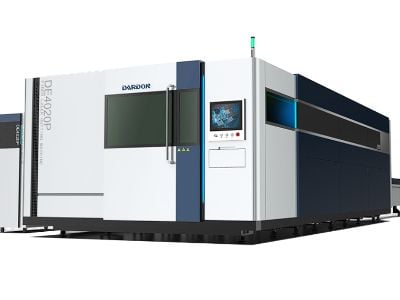
Steel sheet bending machines are vital tools in modern fabrication workshops, facilitating the precise shaping of metal sheets for various applications. These machines enhance productivity and ensure accuracy in manufacturing processes, which is critical for purchasing managers and engineers evaluating equipment for their operations. This article will explore the essential considerations for selecting a steel sheet bending machine, key specifications to look for, reliable suppliers, installation guidance, and solutions to common issues faced during use.
How to Choose the Right Steel Sheet Bending Machine for Your Workshop?
Selecting the right steel sheet bending machine involves understanding the specific needs of your workshop and the types of projects you undertake. First, assess the thickness and type of steel sheets you will work with. Machines vary in their bending capacity, and opting for one that can handle your maximum sheet thickness is crucial. For instance, if your projects require bending thick plates, a hydraulic press brake with higher tonnage capacity would be suitable.
Consider the machine's bending length as well. This specification will determine the maximum width of the sheet metal you can process. Additionally, evaluate the machine's features, such as CNC controls for precision and repeatability, which are essential for larger production runs. Lastly, consider the machine's energy efficiency and operational costs, as these factors can significantly impact your workshop's long-term expenses.
Key Specifications to Consider When Sourcing Steel Sheet Bending Machines
When sourcing steel sheet bending machines, several key specifications should be evaluated to ensure optimal performance:
Bending Capacity: This includes the maximum load (tonnage) the machine can handle and the thickness of the steel sheet. It's essential to match the machine's capacity with the materials you intend to work with.
Bending Length: The maximum width of the material that can be bent. Ensure this matches your typical project sizes to avoid production delays.
Precision and Repeatability: Look for steel sheet bending machine with CNC controls that offer high precision and the ability to store multiple bending programs, which enhances efficiency for repeated tasks.
Type of Bending: Determine whether you need a press brake or a more specialized machine, like a folding machine, depending on the complexity of bends and shapes required.
Energy Efficiency: Modern machines that utilize servo-electric drives often consume less energy, which can lead to significant cost savings over time.
Durability and Maintenance: Consider the machine’s construction quality and ease of maintenance, as these factors influence its lifespan and reliability in a production environment.
Where to Find Reliable Suppliers of Steel Sheet Bending Machines?
Finding reliable suppliers of steel sheet bending machines requires thorough research and evaluation. Start by looking for manufacturers with a solid reputation in the industry, such as Qingdao Dadong Automation Technology Co., Ltd., known for its high-precision CNC machines. Attend industry trade shows and exhibitions to see machines in action and meet suppliers directly, which can also provide valuable networking opportunities.
Online platforms and industry forums can also be excellent resources for reviews and recommendations. Look for suppliers that offer comprehensive after-sales support, including installation, training, and maintenance services. Additionally, request references from past clients to gauge the supplier’s reliability and customer satisfaction levels.
Installation Guidance for Steel Sheet Bending Machines in Your Facility
Proper installation of steel sheet bending machines is crucial for optimal performance and safety. Begin by ensuring that the installation site meets the machine's space and environmental requirements. This includes adequate floor strength to support the machine's weight, sufficient clearance for operation, and proper access to utilities such as electricity and compressed air.
Follow the manufacturer's installation guidelines meticulously. These guidelines typically include leveling the machine, aligning it correctly, and connecting it to necessary services. It is advisable to have trained technicians perform the steel sheet bending machine installation to ensure compliance with safety standards and manufacturer specifications.
Once installed, conduct a thorough operational test to verify that all components function correctly. This includes checking the control systems and ensuring that safety features are active. Document the installation process and any adjustments made, as this information can be beneficial for future maintenance.
Solutions to Common Problems with Steel Sheet Bending Machines in Use
Even with high-quality machines, users may encounter common issues during operation. Here are some practical solutions to address these problems:
Inconsistent Bending Results: This may be due to improper calibration or worn tooling. Regularly inspect and calibrate the machine according to the manufacturer's recommendations. Use quality tooling to maintain consistent results.
Material Slippage: Ensuring proper clamping pressure is essential to prevent sheets from slipping during bending. Regularly check and adjust the clamping mechanisms to suit the sheet thickness and material type.
Excessive Wear on Tools: To minimize tool wear, use appropriate lubrication and ensure the machine settings are optimized for the material being processed. Replace worn tools promptly to maintain production efficiency.
Control System Errors: Software issues can occur, especially in CNC machines. Maintain updated software and periodically back up bending programs to avoid data loss. If errors persist, consult the manufacturer for troubleshooting support.
Safety Hazards: Regularly review safety protocols and ensure operators are trained on the stainless steel laser cutter machine’s safe operation. Install safety guards and emergency stop features to protect operators during use.
By understanding these common issues and their solutions, operators can maintain productivity and ensure the longevity of their steel sheet bending machines.
Table of Contents
- How to Choose the Right Steel Sheet Bending Machine for Your Workshop?
- Key Specifications to Consider When Sourcing Steel Sheet Bending Machines
- Where to Find Reliable Suppliers of Steel Sheet Bending Machines?
- Installation Guidance for Steel Sheet Bending Machines in Your Facility
- Solutions to Common Problems with Steel Sheet Bending Machines in Use