 EN

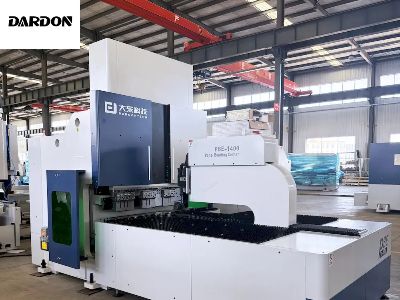
Precision control in multi-angle bending processes is essential for achieving high-quality results in sheet metal fabrication. As industries increasingly demand complex shapes and precise dimensions, selecting the right sheet metal bending machine becomes critical. This article will guide B2B buyers, including purchasing managers and engineers, through the nuances of precision control in multi-angle bending, helping them make informed decisions about equipment selection, specifications, and potential challenges.
How to Choose Precision Control for Multi-Angle Bending Equipment?
When selecting bending equipment for multi-angle processes, buyers should prioritize precision control systems that enhance accuracy and repeatability. Look for machines equipped with advanced CNC (Computer Numerical Control) technology, which allows for intricate programming of bends and angles. The ability to program multiple angles in a single operation reduces setup time and increases productivity.
Consider the control interface as well; intuitive software can significantly impact ease of use and operator efficiency. Additionally, check for features such as adaptive control, which adjusts parameters in real-time to maintain precision during bending operations. This capability is particularly beneficial when working with materials that have varying thicknesses or properties.
Ensuring compatibility with existing production lines is also crucial. Buyers should verify that the new equipment can seamlessly integrate with current systems, including software and hardware interfaces, to avoid costly downtimes during implementation.
Key Specifications to Evaluate in Sheet Metal Bending Machines
Several specifications are vital when evaluating sheet metal bending machines, particularly for precision control in multi-angle bending processes:
Bending Capacity: This refers to the maximum thickness and width of the material the machine can handle. Buyers should assess their typical material sizes and ensure the machine can accommodate them.
Angle Accuracy: Precision in achieving the desired angles is paramount. Buyers should inquire about the machine's angle tolerance, typically expressed in degrees, and consider options for calibration to ensure consistent results.
Stroke Length: The stroke length determines the machine's ability to bend longer pieces of metal. A longer stroke provides more versatility for larger components.
Speed of Operation: Faster bending speeds can enhance productivity, but buyers should balance speed with precision, ensuring that quality is not compromised.
Material Compatibility: Different machines may be better suited for specific materials, such as aluminum, steel, or stainless steel. Understanding the material properties will help buyers select the most appropriate machine.
Control System: A robust control system should allow for easy programming and adjustments. Features like graphical displays and user-friendly interfaces can significantly affect productivity and reduce operator error.
Reliable Suppliers for Bending Equipment
Identifying reliable suppliers for bending equipment is critical to ensuring quality and support. When evaluating suppliers, consider the following:
Reputation and Experience: Look for suppliers with a proven track record in the industry. Companies like Qingdao Dadong Automation Technology Co., Ltd. offer extensive experience in manufacturing high-precision equipment, which can be a strong indicator of reliability.
Customer Support: Strong customer support and service capabilities can make a significant difference in the long-term performance of the equipment. Inquire about warranty provisions, after-sales support, and availability of spare parts.
Customization Options: Depending on specific operational needs, buyers may require customized solutions. Suppliers that offer tailored modifications can be more beneficial than those with rigid product lines.
Certifications and Quality Control: Ensure that the supplier maintains strict quality control processes and relevant industry certifications. This demonstrates their commitment to delivering high-quality equipment that meets international standards.
Common Problems in Multi-Angle Bending and Their Solutions
Multi-angle bending processes can present several challenges that may affect the quality of the final product. Here are some common issues and their solutions:
Inconsistent Angles: Variability in angle production can arise from machine calibration errors or material inconsistencies. Regular calibration and using materials from reputable sources can mitigate this issue.
Material Distortion: Distortion can occur during bending due to improper clamping or excessive force. Utilizing proper clamping techniques and pre-bending operations can help control material movement.
Surface Damage: Scratches or dents can affect the surface finish of the bent product. Buyers should ensure that the bending equipment has adequate tooling and consider using protective coatings or materials to prevent damage.
Cycle Time Delays: Inefficiencies can slow down production. Streamlining the setup process and utilizing advanced CNC programming can help reduce cycle times and improve overall productivity.
Technical Insights into Precision Control for Bending Processes
Precision control in bending processes is heavily reliant on technology and engineering principles. Here are some technical insights that can enhance understanding:
Feedback Loops: Modern bending machines use closed-loop control systems that provide real-time feedback on the bending process. This allows for immediate adjustments to be made, ensuring high precision and reducing scrap.
Simulation Software: Many advanced machines come with simulation capabilities that allow operators to visualize the cnc bending machine process before actual production. This can help identify potential issues and optimize parameters.
Force Control: Implementing force control mechanisms ensures that the machine exerts the appropriate amount of pressure throughout the bending process. This is crucial for preventing material failure and achieving consistent results.
Tooling Variations: Different tooling options can significantly impact the bending process. Buyers should consider various tooling designs and materials that best suit their specific bending applications.
By understanding these technical aspects, buyers can better evaluate machinery and make informed decisions that enhance their production capabilities.
Investing in quality sheet metal bending equipment with precision control is essential for maintaining competitive advantage in today’s manufacturing landscape. By focusing on the right specifications, reliable suppliers, and understanding common challenges, B2B buyers can ensure successful multi-angle bending operations that meet their business needs.