 EN

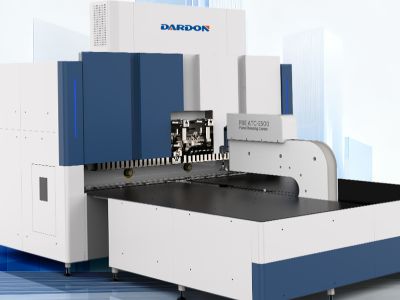
Hydraulic bending machines are vital tools in modern industrial bending operations, significantly enhancing consistency and precision. By leveraging advanced hydraulic technology, these machines ensure that metal sheets are bent uniformly, minimizing variations that can affect the quality of the final product. For B2B buyers, understanding how hydraulic bending machine improve consistency can inform purchasing decisions, especially when considering factors such as quality control, application suitability, and overall production efficiency. This article will explore the benefits of hydraulic bending machines, installation best practices, common operational challenges, and guidance on selecting the right machine for your specific needs.
How Hydraulic Bending Machines Ensure Consistency in Production?
Hydraulic bending machines utilize hydraulic pressure to shape metal sheets into desired forms, which is crucial for achieving consistent results in industrial operations. The key to consistency lies in the machine's ability to maintain precise control over the bending process. Factors such as the hydraulic cylinder's pressure, the bending equipment frame rigidity, and the tooling used all play significant roles in ensuring uniformity.
One of the primary advantages of hydraulic bending machines is their capacity for repeatability. Once set up, a hydraulic machine can produce the same bend repeatedly without the operator needing to make adjustments. This is particularly beneficial in high-volume production environments where variations in dimensions can lead to costly rework or scrap. Additionally, hydraulic systems offer superior force application, allowing for smooth and accurate bends, reducing the risk of defects that can arise from mechanical fatigue or misalignment.
What to Know About Installing Hydraulic Bending Machines Efficiently?
Efficient installation of hydraulic bending machines is essential for maximizing their performance and longevity. Before installation, it is crucial to assess the space where the machine will be placed, ensuring adequate clearance for operation and maintenance. The foundation must also be stable and level to prevent any vibrations that could affect the machine's accuracy.
When setting up the hydraulic system, ensure that all connections are leak-free and that the hydraulic fluid is of the appropriate type and viscosity for the machine's specifications. Proper calibration of the machine is also necessary to ensure that the bending parameters align with the material specifications. A well-executed installation minimizes downtime and lays the groundwork for consistent operation, ultimately improving production efficiency.
Common Problems in Bending Operations and How to Solve Them
Even with advanced hydraulic bending machines, operators may encounter several common issues during bending operations. One prevalent problem is inconsistent bend angles, which can result from improper machine setup or worn tooling. To address this, regular maintenance and inspection of the machine and tooling are essential. Operators should ensure that dies are aligned correctly and that any wear is promptly addressed.
Another issue is material springback, where the material does not retain its shape after bending. This can be mitigated by understanding the material's properties and adjusting the bend angle accordingly. Implementing a testing phase for new materials or configurations can also help identify potential issues before full-scale production. Additionally, operators should be trained to recognize signs of bending machine hydraulic malfunction, such as unusual sounds or vibrations, which can indicate underlying problems that need immediate attention.
Exploring Applications of Hydraulic Bending Machines in Industry
Hydraulic bending machines have a wide range of applications across various industries, including automotive, aerospace, construction, and electronics. In the automotive industry, these machines are used to create complex shapes for body panels and frames, ensuring high precision and uniformity. In aerospace, the ability to bend lightweight materials with minimal deformation is crucial for maintaining structural integrity while reducing weight.
Moreover, hydraulic bending machines are essential in the construction sector for producing components such as beams and railings, where strength and durability are paramount. The flexibility of hydraulic systems allows for customization in tooling and programming, enabling manufacturers to produce unique parts tailored to specific applications. This adaptability not only improves efficiency but also expands the range of products that can be offered.
How to Choose the Right Hydraulic Bending Machine for Your Needs
Selecting the right hydraulic bending machine requires careful consideration of several factors. First, assess the types of materials you will be bending. Different materials require different bending capacities, and understanding the material specifications will guide your choice. For example, thicker or high-strength materials may require machines with higher pressure ratings and more robust frames.
Next, consider the size and dimensions of the parts you intend to produce. Ensure that the machine's bending length and capacity align with your production needs. Additionally, evaluate the machine's versatility; models with adjustable tooling or programmable controls can enhance productivity by allowing for quick changes in setups for different projects.
Finally, factor in the machine's energy efficiency and maintenance requirements. Energy-efficient models can significantly reduce operational costs over time, while machines designed for easy maintenance can minimize downtime. Consulting with experienced manufacturers, like Qingdao Dadong Automation Technology Co., Ltd., can provide valuable insights into choosing a machine that meets your specific operational needs.
By understanding these aspects, B2B buyers can make informed decisions that enhance their production capabilities and ensure consistent quality in their bending operations.
Table of Contents
- How Hydraulic Bending Machines Ensure Consistency in Production?
- What to Know About Installing Hydraulic Bending Machines Efficiently?
- Common Problems in Bending Operations and How to Solve Them
- Exploring Applications of Hydraulic Bending Machines in Industry
- How to Choose the Right Hydraulic Bending Machine for Your Needs