 EN

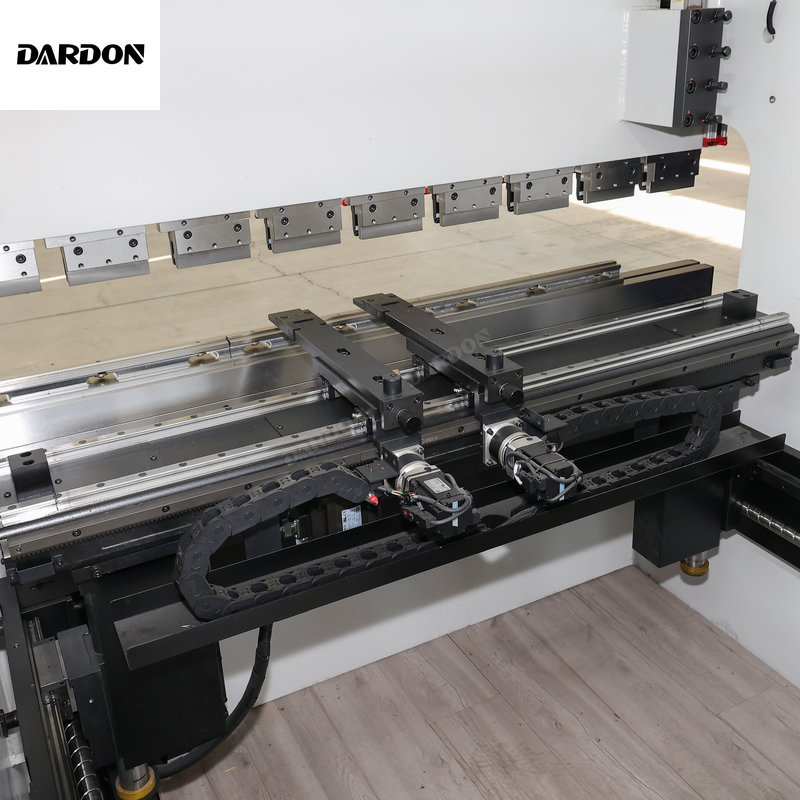
Hydraulic bending machines are essential tools in steel processing workshops, enabling precise shaping and forming of metal sheets. The widespread use of these machines in the manufacturing sector stems from their efficiency, versatility, and ability to produce high-quality results. For purchasing managers and engineers, understanding the specifications, quality, and installation of hydraulic bending machines is crucial for making informed decisions. This article will explore why hydraulicbending machine are favored in steel processing and provide critical insights for potential buyers.
Specifications to Consider When Selecting a Hydraulic Bending Machine
When selecting a hydraulic bending machine, several specifications are critical. First, the machine's bending capacity, which indicates the maximum thickness and width of steel it can handle, is essential. This capacity is usually measured in tons. For instance, a bending equipment with a capacity of 100 tons can bend thicker and wider steel sheets compared to a machine with a 50-ton capacity.
Another important specification is the bending angle accuracy. The precision of the machine affects the final product's quality. Machines that allow for digital angle measurement can significantly reduce errors during production. Additionally, the stroke length and the distance between the uprights should be considered, as these factors influence the type of applications the machine can accommodate.
Lastly, the control system plays a vital role in operation efficiency. CNC (Computer Numerical Control) systems offer enhanced automation and repeatability, which are beneficial for high-volume production runs. Buyers should assess their specific production needs to ensure the selected machine aligns with their operational goals.
Evaluating the Quality of Hydraulic Bending Machines for Steel Fabrication
Quality evaluation of hydraulic bending machines hinges on several factors. First, manufacturers should provide detailed information about the materials used in construction. High-quality steel and components not only enhance durability but also improve performance under stress. Look for machines that utilize a robust frame design and high-grade hydraulic components.
Another aspect to consider is the manufacturer’s quality control processes. A reputable company, such as Qingdao Dadong Automation Technology Co., Ltd., should have stringent testing protocols to ensure each machine meets high standards before leaving the factory. Buyers should inquire about the machine's certification and compliance with international standards, which can provide assurance of quality.
Additionally, feedback from existing users can offer insights into the machine's reliability and performance in real-world applications. Seek testimonials or case studies that highlight the machine’s effectiveness in various operational settings.
Common Problems with Hydraulic Bending Machines and Practical Solutions
Despite their effectiveness, hydraulic bending machines can encounter common issues that may impact productivity. One frequent problem is hydraulic fluid leakage, which can stem from worn seals or improper installation. Regular maintenance checks can help identify these issues early, and replacing seals or tightening fittings can often resolve the problem.
Another challenge is inconsistent bending results, which may arise from machine misalignment or incorrect settings. Buyers should ensure proper calibration during installation and regular maintenance checks. Utilizing CNC controls can also minimize human error by automating settings based on previously confirmed parameters.
Overloading the machine beyond its rated capacity can lead to premature wear or even catastrophic failure. Buyers should always consult the machine specifications and ensure that their production requirements align with the machine’s capabilities.
Installation Guidance for Hydraulic Bending Machines in Industrial Settings
Proper installation of hydraulic bending machines is crucial for optimal performance. First, ensure the installation site is level and capable of supporting the machine's weight. It’s advisable to consult the manufacturer for specific site preparation requirements.
Next, consider the hydraulic system connections. These must be installed correctly to prevent leaks and ensure efficient operation. It’s recommended to engage a qualified technician for installation to follow best practices and manufacturer guidelines.
Finally, once installed, conduct a thorough testing phase before commencing full production. This includes running the cnc bending machine through its operational cycle to check for any issues and confirm that all settings perform as expected.
Features and Benefits for Buyers
Hydraulic bending machines come with various features that enhance their functionality and appeal to buyers. For instance, models equipped with advanced CNC controls allow for greater flexibility in production, enabling manufacturers to handle a wider variety of bending tasks with precision. This adaptability can lead to increased efficiency and reduced operational costs.
Energy efficiency is another significant benefit. Modern hydraulic machines are designed to consume less power while maintaining performance, which can lead to long-term savings on operating costs. Additionally, features such as programmable bending sequences can optimize production runs, further enhancing productivity.
Finally, customization capabilities are a noteworthy advantage. Many manufacturers, including Qingdao Dadong Automation Technology Co., Ltd., offer tailored solutions to meet specific buyer requirements, making it easier to achieve desired outcomes in specialized projects.
In summary, hydraulic bending machines are invaluable in steel processing workshops due to their efficiency and precision. By understanding the specifications, quality evaluation methods, common issues, installation guidance, and key features, buyers can make informed decisions that align with their operational needs.
Table of Contents
- Specifications to Consider When Selecting a Hydraulic Bending Machine
- Evaluating the Quality of Hydraulic Bending Machines for Steel Fabrication
- Common Problems with Hydraulic Bending Machines and Practical Solutions
- Installation Guidance for Hydraulic Bending Machines in Industrial Settings
- Features and Benefits for Buyers