 EN

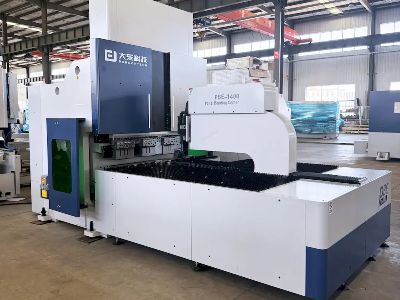
The structural engineering design of high-efficiency bending machine hydraulic systems is crucial for manufacturers seeking precision and energy efficiency in their operations. With evolving industry demands, B2B buyers, including purchasing managers and engineers, must prioritize specific attributes in hydraulic systems to ensure optimal performance. This article will provide insights into key specifications, potential issues, and sourcing considerations that will help you make informed decisions when selecting hydraulic systems for bending machines.
Key Specifications of Hydraulic Systems in Bending Machines
When evaluating hydraulic systems for bending machines, several key specifications should be considered. These include pressure ratings, flow rates, and tank capacities, which directly impact the machine's capabilities.
Pressure Ratings: Hydraulic systems typically operate at pressures ranging from 2000 to 4000 psi. The suitable pressure rating depends on the material being processed and the specific application. Higher pressure ratings can enhance performance but may require more robust components and careful engineering to avoid failures.
Flow Rates: Measured in gallons per minute (GPM), flow rates influence the speed and efficiency of the bending process. A system with a higher flow rate can complete tasks more quickly, which is essential for high-volume production environments. However, balancing flow rates with pump sizes and motor capabilities is critical to prevent energy inefficiency.
Tank Capacities: The hydraulic tank must be appropriately sized to ensure sufficient fluid supply during operation. An undersized tank can lead to overheating and reduced performance, while an oversized tank may increase costs unnecessarily. The size should be determined based on the hydraulic bending machine machine's operational cycle and the anticipated workload.
Understanding these specifications allows buyers to select hydraulic systems that align with their production needs and operational efficiency goals.
What to Look for in Hydraulic Systems?
When selecting hydraulic systems for bending machines, buyers should focus on several critical factors:
Component Quality: High-quality components such as pumps, valves, and hoses are essential for reliable operation. Look for systems that use durable materials and have undergone rigorous quality testing. Components that meet international standards can help ensure longevity and reduce maintenance costs.
Energy Efficiency: As industries aim to reduce operational costs and environmental impact, energy-efficient hydraulic systems are becoming increasingly important. Look for systems that utilize variable speed drives and advanced control technologies to optimize energy consumption during operation.
Ease of Maintenance: Hydraulic systems should be designed for easy maintenance. Features such as accessible service points and modular components can significantly reduce downtime and simplify repairs. Ensure that the bending machine plate manufacturer provides clear maintenance guidelines and support.
Customization Options: Depending on specific production needs, customization may be necessary. Discuss options with suppliers to tailor hydraulic systems that fit unique operational demands or integrate seamlessly with existing machinery.
By focusing on these factors, buyers can select hydraulic systems that not only meet their immediate needs but also support long-term operational efficiency and reliability.
Common Problems with Hydraulic Systems and Their Solutions
Hydraulic systems can encounter several common issues that may hinder performance. Understanding these problems and their solutions can help buyers mitigate risks:
Overheating: This can be caused by insufficient fluid levels, high ambient temperatures, or inadequate cooling systems. Regularly check fluid levels and ensure the cooling system is functioning effectively. Consider using synthetic hydraulic fluids that can operate efficiently at higher temperatures.
Leaks: Hydraulic leaks can lead to loss of pressure and operational inefficiency. Common sources of leaks include worn seals, damaged hoses, or loose connections. Regular inspections and maintenance can help identify and address potential leak sources before they escalate into more significant issues.
Contamination: Contaminants in hydraulic fluid can cause significant damage to components. Implementing filtration systems and adhering to proper fluid handling practices can help maintain fluid integrity. Additionally, regular fluid analysis can identify contaminants and allow for timely maintenance.
Inconsistent Performance: This may occur due to fluctuations in pressure or flow rates, often linked to pump malfunction or valve issues. Maintaining components and ensuring proper calibration can help address performance inconsistencies.
By proactively addressing these common problems, buyers can enhance the cnc wire bending machine reliability and longevity of their hydraulic systems.
Where to Source Reliable Bending Machine Suppliers?
Finding a reliable supplier for bending machines and hydraulic systems is essential for ensuring quality and performance. Here are some tips to consider:
Industry Reputation: Research suppliers with a proven track record in the industry. Look for reviews, testimonials, and case studies that demonstrate their expertise and customer satisfaction.
Certifications and Compliance: Ensure that the suppliers meet relevant industry standards and certifications, such as ISO 9001 for quality management systems. Compliance with safety and environmental regulations is also crucial.
Technical Support: A good supplier should offer comprehensive technical support, including installation guidance, maintenance training, and troubleshooting assistance. This support can be invaluable in ensuring the successful operation of hydraulic systems.
Customization Capabilities: Suppliers who can tailor solutions to meet specific requirements can provide added value. Engage with potential suppliers to discuss customization options and assess their ability to meet unique operational needs.
Global Reach: For companies involved in international trade, sourcing suppliers with a strong export capability can facilitate smoother transactions and adherence to global standards.
By following these guidelines, buyers can identify trustworthy suppliers that will meet their operational needs and enhance productivity.
Comparing Hydraulic System Technologies for Optimal Performance
When selecting hydraulic systems for bending machines, comparing different technologies is essential. Here’s a look at some of the prominent technologies and their benefits:
Electro-Hydraulic Systems: These systems combine hydraulic power with electronic controls, offering precise control over motion and speed. They are highly energy-efficient and can significantly reduce operational costs while improving performance.
Standard Hydraulic Systems: Traditional hydraulic systems are generally simpler and more cost-effective for basic applications. They may require more manual adjustments and monitoring but can serve well in environments with straightforward operational needs.
Hybrid Systems: Combining features of both electro-hydraulic and standard systems, hybrid systems offer flexibility and can be tailored to specific applications. They are particularly useful in industries where both precision and power are required.
Smart Hydraulic Systems: Equipped with sensors and IoT capabilities, smart hydraulic systems provide real-time data on performance metrics, enabling predictive maintenance and operational adjustments. These systems can significantly enhance efficiency and reduce downtime.
When evaluating these technologies, consider the specific requirements of your applications, including required precision, power, and energy efficiency. Engaging with experienced suppliers can provide insights into the best technology options for your business needs.
By understanding these aspects of hydraulic systems in bending machines, buyers can make informed decisions that align with their operational goals and enhance productivity.