 EN

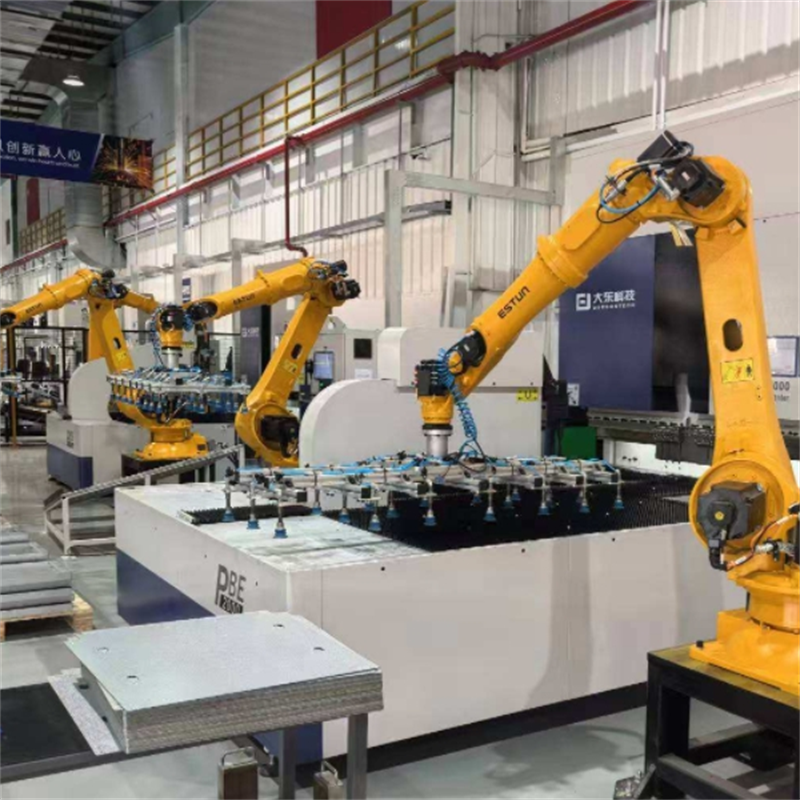
In the realm of industrial fabrication workshops, bending machines play a crucial role in shaping materials for various applications. For businesses looking to enhance their production capabilities, understanding the hydraulic applications of bending machines is essential. This article aims to address the primary concerns of purchasing managers and engineers, providing insights into selecting the right hydraulic bending machine, key specifications to consider, cost factors, installation guidance, and important information for buyers.
Choosing the Right Hydraulic Bending Machine for Your Workshop
When selecting a hydraulic bending machine, consider the specific needs of your workshop. The primary factors include the type of materials you'll be working with, the thickness and dimensions of the sheets, and the complexity of bends required. Hydraulic bending machines are ideal for achieving precise bends in thicker materials due to their ability to exert significant force.
Additionally, assess the machine's capacity, compatibility with existing equipment, and the level of automation you desire. For instance, if your workshop frequently handles large-scale projects, investing in a CNC-controlled hydraulic press bending machine may improve efficiency and reduce labor costs. It's also beneficial to consider the machine's energy efficiency, as this can lead to long-term savings on operational costs.
Key Specifications to Consider for Hydraulic Bending Machines
When evaluating hydraulic bending machines, several key specifications should guide your decision:
Bending Force: This is typically measured in tons and indicates the maximum pressure the machine can exert. Ensure the machine can handle the thickness and material type you plan to use.
Bending Length: The maximum length of the sheet metal that can be processed at once. This is crucial for larger projects where multiple bends are required.
Stroke Length: This determines how far the ram can travel during the bending process. A longer stroke allows for deeper bends and more complex shapes.
Back Gauge and Front Gauge: These are important for accurate positioning of the hydraulic press machine material. A reliable back gauge system can improve repeatability and precision in production.
Control System: Modern machines may come with advanced control systems such as CNC, which allows for greater flexibility in programming complex shapes and improving overall accuracy.
Energy Efficiency: Look for machines that offer energy-saving features, as this can significantly impact long-term operational costs.
Understanding these specifications helps buyers choose a machine that meets their operational requirements while ensuring quality output.
Understanding Cost Factors for Wholesale Hydraulic Bending Equipment
Cost is a critical consideration when purchasing hydraulic bending machines. Several factors influence the pricing:
Machine Type and Specifications: High-capacity machines with advanced features, such as CNC controls, naturally come at a higher price point.
Brand Reputation: Established manufacturers often command higher prices due to their proven quality and reliability. However, investing in a reputable brand can reduce maintenance costs and downtime in the long run.
Customization Requirements: If your projects require specialized features or customizations, expect additional costs. Discussing these needs upfront can help in receiving accurate quotations.
Volume Discounts: If your workshop requires multiple hydro press machine, inquire about bulk purchase discounts. Manufacturers like Qingdao Dadong Automation Technology Co., Ltd. may offer competitive pricing for larger orders.
Shipping and Installation: Consider the costs associated with shipping the machine to your facility and any installation services. Understanding these factors can help you budget appropriately.
By accounting for these cost factors, buyers can make informed decisions that align with their budget and production goals.
Installation Guidance for Hydraulic Bending Machines in Your Facility
Proper installation of hydraulic bending machines is critical for optimal performance and safety. Here are key considerations:
Site Preparation: Ensure that the designated area for the machine is level and can accommodate the machine's dimensions, including space for operation and maintenance access.
Power Supply: Verify that your facility's power supply meets the machine's requirements. Consult the manufacturer for specifications to avoid operational issues.
Hydraulic Connections: Proper hydraulic connections are essential for the machine's functionality. Ensure that all hoses and fittings are securely installed and leak-free.
Calibration: After installation, calibrate the machine according to the manufacturer’s instructions. This step is vital for achieving precise bends and maintaining consistency in production.
Training: Provide adequate training for operators to ensure they are familiar with the machine's features and safety protocols. This reduces the risk of accidents and increases productivity.
By following these installation guidelines, workshop managers can ensure that their hydraulic bending machines function efficiently and safely from the outset.
What Buyers Need to Know?
Before making a purchase, buyers should gather essential information to facilitate a smooth acquisition process:
Technical Specifications: Be prepared to specify the required bending force, length, and any additional features needed for your specific applications.
Customization Options: Discuss any customization needs with the manufacturer upfront to receive accurate pricing and timelines.
Lead Times: Inquire about production lead times, especially if you have project deadlines. Understanding these timelines can help in planning and avoiding delays.
Sample Testing: Consider requesting a sample bend from the manufacturer to verify the machine’s capabilities before mass production. Testing under actual operating conditions is crucial for quality assurance.
Quality Assurance: Ask about the manufacturer's quality control processes and certifications. This information can offer insights into the reliability and durability of the machines.
By addressing these aspects, buyers can streamline their purchasing process, ensuring they select the right hydraulic bending machine for their workshop needs.
understanding the hydraulic applications of bending machines is essential for maximizing production efficiency in industrial fabrication workshops. By following the guidelines outlined , purchasing managers and engineers can make informed decisions that align with their operational goals.