 EN

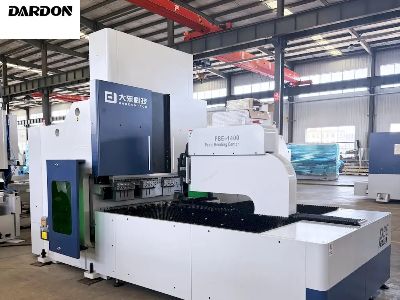
Understanding hydraulic bending machine maintenance and hydraulic system management is crucial for industries that rely on precision metal fabrication. As a purchasing manager or engineer, you may have concerns about the longevity and performance of these machines. This article will provide valuable insights into key specifications, installation guidance, material advantages, and selection criteria, helping you make informed decisions for your business.
Key Specifications to Consider for Hydraulic System Management
When managing hydraulic systems, several key specifications directly impact machine performance and maintenance requirements. These include:
Pressure Rating: The system's pressure rating determines its capability to handle specific loads. For example, a hydraulic bending machine with a pressure rating of 2500 psi may be suitable for bending thicker materials compared to one rated at 1500 psi. Always ensure that the pressure rating aligns with your application requirements to avoid premature wear or failure.
Flow Rate: Measured in gallons per minute (GPM), flow rate affects the speed of operation. A higher flow rate allows for faster bending cycles, increasing productivity. However, it's essential to balance speed with control, as excessive flow can lead to overshooting desired angles.
Tank Capacity: The hydraulic fluid tank size should accommodate the system's operational demands while allowing for thermal expansion. Insufficient fluid capacity can lead to overheating and operational inefficiencies.
Fluid Type: Using the correct hydraulic fluid is vital for system efficiency and longevity. Different fluids have varying viscosities and properties, impacting performance. Always refer to the manufacturer’s guidelines for suitable fluid types to avoid compatibility issues.
Hydraulic Bending Machines vs. Alternatives
Hydraulic bending machines offer several advantages over mechanical and electric alternatives, particularly in terms of flexibility and power.
Hydraulic Machines: These machines provide superior force and are capable of bending thick materials with minimal deformation. They also allow for more complex shapes due to their adjustable settings.
Mechanical Bending Machines: While generally more cost-effective, they may struggle with thicker materials or require more manual adjustments. They are often limited in terms of the complexity of bends they can achieve.
Electric Bending Machines: These machines can be more energy-efficient and quieter but may not provide the same level of force as hydraulic systems. For high-volume production or heavy-duty applications, hydraulic machines usually outperform their electric counterparts.
Understanding these differences can help you choose the right machine based on your operational needs and production volume.
Installation Guidance for Optimal Hydraulic System Performance
Proper installation is crucial for ensuring the long-term performance of hydraulic systems. Here are essential considerations:
Location: Install the hydraulic bending machine in a dry, clean environment to prevent contamination of the hydraulic fluid. Ensure adequate space for maintenance access and ventilation.
Leveling: The machine should be perfectly level to ensure accurate bending. Use leveling tools to adjust the bending machine steel feet before securing it in place.
Connections: When connecting hydraulic hoses and fittings, ensure they are tight and leak-proof. Improper connections can lead to fluid leaks, affecting performance and safety.
System Checks: After installation, conduct a thorough inspection and run tests to verify system functionality. Check for leaks, pressure fluctuations, and unusual noises. Address any issues before commencing full production.
Understanding Material Advantages in Hydraulic Bending Machines
The material used in hydraulic bending machines significantly affects performance and durability. Common materials include:
Steel: Known for its strength and durability, steel is often used in the construction of hydraulic frames. High-strength steel can withstand the stresses of bending operations and provide longevity.
Aluminum: While lighter than steel, aluminum may not offer the same strength. It is suitable for applications where weight is a critical factor but may require more frequent maintenance.
Composite Materials: Emerging technologies have introduced composite materials that can combine weight savings and strength. These materials may offer unique benefits in specific applications but require careful evaluation for compatibility with hydraulic systems.
Selecting the right material based on your application’s demands can enhance the machine's performance and reduce maintenance costs.
How to Choose the Right Hydraulic Bending Machine for Your Business?
Choosing the right hydraulic bending machine involves evaluating several factors to ensure it meets your operational needs:
Application Requirements: Consider the types of materials and the thicknesses you will be working with. A hydraulic bending machine with adjustable tonnage will provide versatility for various applications.
Production Volume: For high-volume operations, look for machines with faster cycle times and automated features. This can significantly increase productivity and reduce labor costs.
Customization Needs: If your production requires specific shapes or sizes, ensure the machine can accommodate custom tooling. Discuss customization capabilities with your supplier to tailor the machine to your specifications.
Budget: Determine your budget not just for the initial purchase but for ongoing maintenance and operational costs. A lower initial investment may lead to higher costs in the long run if the machine requires frequent repairs or consumes excessive energy.
Supplier Reputation: Evaluate potential suppliers based on their manufacturing capabilities, quality guarantees, and customer support. A trusted supplier, like Qingdao Dadong Automation Technology Co., Ltd., offers advanced RD and strict quality control, ensuring you receive high-precision, energy-efficient solutions.
By carefully evaluating these factors, you can select a hydraulic bending machine that aligns with your business goals and operational requirements.
Understanding hydraulic bending machine maintenance and hydraulic system management is essential for maximizing the efficiency and lifespan of your equipment. With the right knowledge, you can make informed decisions that enhance your production capabilities and minimize downtime.
Table of Contents
- Key Specifications to Consider for Hydraulic System Management
- Hydraulic Bending Machines vs. Alternatives
- Installation Guidance for Optimal Hydraulic System Performance
- Understanding Material Advantages in Hydraulic Bending Machines
- How to Choose the Right Hydraulic Bending Machine for Your Business?