 EN

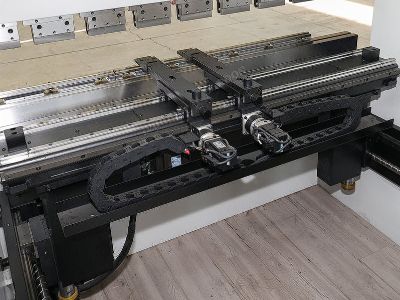
In the manufacturing landscape, line bender automation systems play a vital role in continuous industrial metal bending production. These systems enhance efficiency, precision, and overall productivity in metal fabrication processes. As a purchasing manager or engineer, your primary concerns may include system specifications, quality assurance, cost factors, and the applicability of these systems across various industries. This article aims to elucidate these aspects, helping you make informed decisions regarding line bender automation systems.
Key Specifications to Consider for Line Bender Automation Systems
When evaluating line bender automation systems, several key specifications should be considered to ensure they meet your production requirements.
Bending Capacity: This specification indicates the maximum thickness and width of the materials the system can handle. It's vital to ensure that the system can accommodate your specific material types and sizes, as insufficient capacity may lead to production bottlenecks.
Speed and Efficiency: The speed at which the system operates is crucial for maintaining production timelines. Systems with higher speeds can significantly reduce cycle times, thereby increasing throughput.
Precision and Accuracy: The tolerance levels of the bending operations are essential for maintaining quality in the final product. Systems that offer high precision reduce the line bender likelihood of errors and rework, directly impacting production costs and timelines.
Automation Features: Consider features such as automated setups, programmable controls, and advanced software integrations that allow for easier operation and monitoring. These features can enhance productivity and reduce the potential for human error.
Material Compatibility: Understanding the types of materials the system can process, such as aluminum, steel, or other alloys, is essential. Ensure the system is suitable for the specific materials used in your production line.
Evaluating Quality in Continuous Industrial Metal Bending Solutions
Quality evaluation in line bender automation systems requires a comprehensive approach to ensure that the equipment meets industry standards and operational expectations.
Manufacturing Standards: Verify that the manufacturer adheres to recognized industry standards such as ISO certifications. This adherence often reflects the quality and reliability of the machinery.
Material Construction: The materials used in the construction of the bending system should be durable and suitable for the intended application. High-quality components enhance the longevity and performance of the equipment.
Quality Control Processes: Inquire about the sheet metal bender manufacturer's quality control measures during production. Rigorous testing and inspection processes are indicative of a commitment to delivering high-quality products.
Customer Reviews and Case Studies: Research existing customer feedback and case studies to gauge the performance of the line bender systems in real-world applications. This information can provide insights into the equipment's reliability and efficiency.
Post-sale Support: Assess the level of customer support and maintenance services offered by the manufacturer. A strong support system is crucial for minimizing downtime and addressing any operational issues that may arise.
Cost Factors for Wholesale Line Bender Automation Systems
Understanding the cost structure of line bender automation systems is critical for budgeting and financial planning. Several factors influence the overall cost:
Initial Investment: The base price of the machine is only part of the total cost. It’s important to consider additional expenses such as installation, training, and software integration.
Customization Options: Custom features or adjustments to the standard machine can significantly impact pricing. While customization can enhance functionality, it's essential to weigh these costs against the benefits.
Operational Costs: Evaluate the energy efficiency of the system, as lower operational costs can lead to substantial savings over time. Systems that consume less energy while maintaining high productivity levels are often more cost-effective in the long run.
Maintenance and Repair Costs: Consider the aluminium sheet bender expected maintenance requirements and potential repair costs. Systems that require frequent servicing can lead to higher total ownership costs.
Financing Options: Explore different financing options that may be available for purchasing the equipment. Leasing or financing can spread the initial costs over time, making the investment more manageable.
Applications of Line Bender Automation in Various Industries
Line bender automation systems find applications across a range of industries, each with unique requirements and challenges:
Automotive Industry: In automotive manufacturing, these systems are utilized for producing frames, brackets, and other components. The ability to handle various material types and thicknesses is paramount.
Aerospace Sector: The aerospace industry demands high precision and strict adherence to safety standards. Line bender systems can produce lightweight, strong components critical for aircraft manufacturing.
Construction and Architecture: These systems are employed to create structural elements and architectural features, where both strength and design aesthetics are essential.
Electronics Manufacturing: In the electronics sector, line bender automation systems are used to fabricate casings and supports for various devices, necessitating precision to ensure proper fit and function.
HVAC Systems: In heating, ventilation, and air conditioning (HVAC) systems, line bending is crucial for ductwork and other fittings, where efficiency and accuracy directly affect system performance.
Comparing Line Bender Automation Systems for Your Next Project
When comparing different line bender automation systems for your project, a structured approach can help streamline the decision-making process:
Define Your Requirements: Clearly outline your production needs, including material types, dimensions, and volume requirements. This will help narrow down the options that best fit your specific applications.
Request Technical Specifications: Obtain detailed technical specifications from manufacturers, focusing on bending capacity, speed, and automation features. This information will aid in making informed comparisons.
Evaluate Manufacturer Reputation: Research the manufacturers' reputations within the industry. Look for companies with a proven track record of reliability and customer satisfaction.
Review Cost-Benefit Analyses: Perform a cost-benefit analysis for each system under consideration. Weigh initial costs against long-term operational efficiency and maintenance requirements to identify the best value.
Conduct Trial Runs: If possible, arrange for trial runs or demonstrations of the systems. Observing the equipment in action will provide insight into its performance and ease of use.
By carefully considering these factors, you can make a well-informed decision regarding line bender automation systems, ensuring they align with your manufacturing needs and operational goals.
Table of Contents
- Key Specifications to Consider for Line Bender Automation Systems
- Evaluating Quality in Continuous Industrial Metal Bending Solutions
- Cost Factors for Wholesale Line Bender Automation Systems
- Applications of Line Bender Automation in Various Industries
- Comparing Line Bender Automation Systems for Your Next Project