 EN

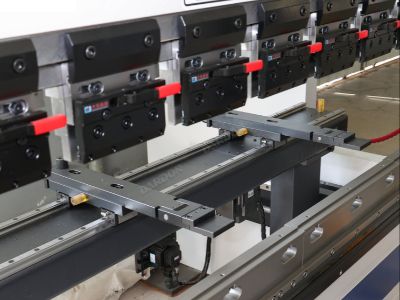
Hydraulic bending machines are essential tools in high-pressure operations, particularly in the manufacturing and industrial sectors. The effectiveness of these machines hinges on their safety systems, which are crucial for preventing accidents and ensuring operational efficiency. This article focuses on hydraulic bending machine safety systems in high-pressure operations, addressing buyer concerns such as quality control, common operational issues, installation guidance, applications across industries, and technical insights.
Evaluating Quality Control in High-Pressure Bending Operations
Quality control in high-pressure bending operations is paramount, primarily due to the risks associated with hydraulic systems. Effective quality assurance measures must be implemented throughout the production process to ensure the safety and reliability of hydraulic bending machines. This includes rigorous testing of materials used in the machines, such as high-strength steel and other components designed to withstand extreme pressure.
Buyers should evaluate the manufacturer's quality control processes, which typically include material validation, dimensional checks, and pressure testing. Ensuring that the cnc bending machine manufacturer has a robust quality management system, such as ISO certification, can significantly reduce risks associated with machine failure. Moreover, conducting inspections during the manufacturing process, rather than relying solely on final product assessments, can help identify potential issues before they escalate.
Understanding Common Issues with Hydraulic Bending Machines
Hydraulic bending machines may encounter several common issues that can affect their performance and safety. One prevalent problem is hydraulic fluid leakage, which can lead to operational inefficiencies and pose safety hazards. Buyers should investigate the sealing materials and designs utilized in the machine to minimize leakage risks.
Another concern is the machine’s calibration and alignment. A misaligned machine can result in uneven bends and increased wear on components, leading to costly repairs and downtime. It is advisable for buyers to verify the bending machine steel calibration procedures employed by the manufacturer and ensure that they are in accordance with industry standards.
Additionally, buyers should be aware of the potential for hydraulic pressure fluctuations, which may affect machine performance. Regular maintenance and proper operator training can help mitigate these issues, ensuring the machine operates within its specified pressure range.
Installation Guidance for Hydraulic Bending Machine Safety Systems
Proper installation of safety systems in hydraulic bending machines is vital to ensure safe operation, particularly in high-pressure environments. Buyers should ensure that installation is conducted by trained professionals familiar with the specific model and its safety features.
Critical components to consider during installation include emergency stop buttons, pressure relief valves, and safety interlocks. These systems should be tested thoroughly before the machine is put into operation. Buyers should request detailed installation guidelines from the manufacturer, which should include information on electrical connections, fluid routing, and safety system checks.
Moreover, it is essential to assess the installation environment. Proper ventilation, adequate space for maintenance, and a clean work area can enhance the safety and longevity of the hydraulic bending machine. Buyers should also consider ongoing support from the manufacturer regarding installation and maintenance.
Applications of Hydraulic Bending Machines in Various Industries
Hydraulic bending machines are versatile tools used across multiple industries, including automotive, aerospace, construction, and metal fabrication. In the automotive sector, these machines are utilized to form complex shapes in chassis components and exhaust systems, where precision is critical.The aerospace industry also benefits from hydraulic bending machines for creating lightweight yet durable components used in aircraft manufacturing. In construction, these machines are essential for bending steel and aluminum profiles used in structural applications, ensuring strength and safety standards are met.Understanding the specific application requirements can help buyers select the right hydraulic metal bending machine. Factors such as the material to be processed, thickness, and the required bend radius should be considered when evaluating machine capabilities.
Technical Insights into High-Pressure Hydraulic Bending Systems
High-pressure hydraulic bending systems are engineered to deliver precise bending capabilities while maintaining safety and efficiency. Key technical specifications to consider include the maximum bending force, which is often determined by the machine's hydraulic fluid pressure and the design of the bending tooling.
Buyers should also pay attention to the machine's hydraulic system components, such as pumps, cylinders, and valves, as these directly impact performance. The choice of hydraulic fluid is crucial, as it affects the system's response time, viscosity, and overall efficiency. Regular maintenance and appropriate fluid levels are essential to ensure the system operates smoothly.
Furthermore, understanding the machine's control systems can enhance operational safety. Advanced models may feature programmable logic controllers (PLCs) that provide precise control over bending operations, reducing manual errors and improving overall productivity. Buyers should inquire about the level of automation and control features available, as these can significantly influence operational efficiency and safety in high-pressure bending operations.
Table of Contents
- Evaluating Quality Control in High-Pressure Bending Operations
- Understanding Common Issues with Hydraulic Bending Machines
- Installation Guidance for Hydraulic Bending Machine Safety Systems
- Applications of Hydraulic Bending Machines in Various Industries
- Technical Insights into High-Pressure Hydraulic Bending Systems