 EN

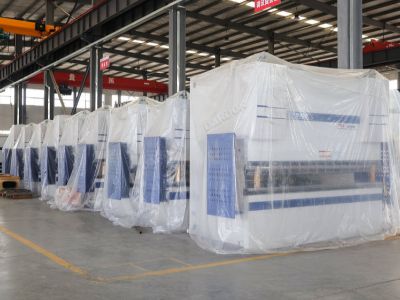
Optimizing the performance of hydraulic bending machines is crucial for manufacturers aiming to maintain efficiency in continuous production cycles. These machines are essential in various industries for bending sheet metal into precise shapes, and their performance directly impacts productivity and quality. This article will address key specifications, common issues, reliable sourcing, and application scenarios relevant to hydraulic bending machines. By understanding these elements, purchasing managers and engineers can make informed decisions that enhance production outcomes.
Optimizing Hydraulic Bending Machine Performance for Continuous Production
To optimize hydraulic bending machine performance in continuous production, manufacturers must focus on several key factors. First, machine calibration is vital. Regularly calibrating the bending machine ensures that it maintains the required precision and accuracy. Inaccurate settings can lead to errors in the bent components, resulting in increased scrap rates and rework costs.
Additionally, hydraulic fluid quality must be monitored. High-quality hydraulic fluids provide better lubrication and cooling, which enhances the machine's performance and extends its lifespan. Moreover, regular maintenance schedules should be established to inspect hydraulic seals and components, ensuring they function efficiently without leaks or failures.
Another optimization strategy includes investing in advanced control systems. These systems allow for real-time monitoring and adjustments during the bending machine hydraulic bending process, improving accuracy and reducing downtime. By implementing these strategies, manufacturers can achieve more consistent results and adapt quickly to production demands.
Key Specifications to Consider for Hydraulic Bending Machines
When selecting a hydraulic bending machine, certain specifications are critical for ensuring optimal performance. Key specifications include:
Bending Capacity: This refers to the maximum thickness and width of the material the machine can handle. Buyers should verify this against their typical production requirements to avoid underperformance.
Stroke Length: The stroke length determines how deep the machine can bend material. A longer stroke can accommodate larger pieces, but it may also require more space.
Speed of Operation: The speed at which the machine operates can significantly affect production rates. High-speed machines may reduce cycle time, but it's essential to balance speed with precision to avoid quality issues.
Control System: Modern hydraulic bending machine often feature CNC (computer numerical control) systems, which provide enhanced control over the bending process. Buyers should assess the complexity of their required bending operations to choose an appropriate control system.
Material Compatibility: Different machines may have varying compatibility with certain materials, such as aluminum, steel, or specialized alloys. Understanding the material properties is crucial for selecting the right machine.
By analyzing these specifications, buyers can ensure they select a hydraulic bending machine that meets their operational needs and enhances production efficiency.
Common Problems with Hydraulic Bending Machines and Effective Solutions
Hydraulic bending machines, while robust, can experience several common problems that may hinder performance. Understanding these issues and their solutions can greatly improve operational efficiency.
Inconsistent Bending Angles: This issue often arises from improper calibration or worn-out dies. Regular calibration checks and timely replacement of worn components can help maintain accuracy.
Hydraulic Leaks: Leaks can lead to significant drops in performance and efficiency. Inspecting hydraulic lines and seals regularly, along with using high-quality hydraulic fluids, can prevent these leaks.
Overheating: Continuous operation can cause overheating issues, leading to sheet metal bending machine shutdowns. Implementing a cooling system or ensuring proper ventilation in the workspace can mitigate this risk.
Electrical Failures: Faulty wiring or control systems can disrupt operations. Regular electrical inspections can help identify issues before they cause significant downtime.
Material Misalignment: This can result in inaccurate bends and wasted materials. Implementing proper setup procedures and using guides can help align materials correctly before bending.
By addressing these common problems proactively, manufacturers can maintain smoother operations and reduce downtime.
Where to Source Reliable Suppliers for Hydraulic Bending Machines?
Finding a reliable supplier for hydraulic bending machines is paramount to ensuring quality and performance. Here are some strategies for sourcing dependable suppliers:
Industry Directories: Utilizing industry-specific directories can help identify reputable manufacturers and suppliers. Listings often provide contact information and details about company capabilities.
Trade Shows: Attending industry trade shows offers opportunities to interact directly with manufacturers. This face-to-face engagement allows potential buyers to ask questions, view machine demonstrations, and assess supplier reliability.
Online Research: Conducting thorough online research can yield information about supplier reviews, ratings, and case studies. Websites like LinkedIn and industry forums can provide insights from current users about their experiences.
Networking: Leveraging professional networks can lead to referrals for trustworthy suppliers. Engaging with colleagues and industry contacts can provide valuable recommendations based on firsthand experiences.
Requesting Samples: Before finalizing a supplier, requesting a sample of the machine or a demonstration can help assess its suitability for specific production needs.
By employing these strategies, buyers can ensure they are partnering with reputable suppliers who can meet their production requirements.
Application Scenarios for Hydraulic Bending Machines in Manufacturing
Hydraulic bending machines find applications in various manufacturing sectors, showcasing their versatility. Some common scenarios include:
Sheet Metal Fabrication: In industries such as automotive and construction, hydraulic bending machines are used to create parts and components from sheet metal, providing precision and efficiency.
HVAC Manufacturing: The HVAC industry often requires custom ductwork, which hydraulic bending machines can produce with precision, ensuring proper fit and function.
Sign Manufacturing: For creating metal signs, hydraulic bending machines allow for intricate bends and shapes, enabling manufacturers to deliver high-quality products to their clients.
Furniture Production: In the furniture industry, these machines are used to bend metal components for chairs, tables, and other products, combining aesthetics with functionality.
Aerospace Components: The aerospace sector often requires high precision in metal parts. Hydraulic bending machines can produce these components while maintaining strict quality standards.
Understanding these application scenarios helps buyers assess how hydraulic bending machines can fit into their operations, ensuring they select the right equipment for their manufacturing needs.
Table of Contents
- Optimizing Hydraulic Bending Machine Performance for Continuous Production
- Key Specifications to Consider for Hydraulic Bending Machines
- Common Problems with Hydraulic Bending Machines and Effective Solutions
- Where to Source Reliable Suppliers for Hydraulic Bending Machines?
- Application Scenarios for Hydraulic Bending Machines in Manufacturing