 EN

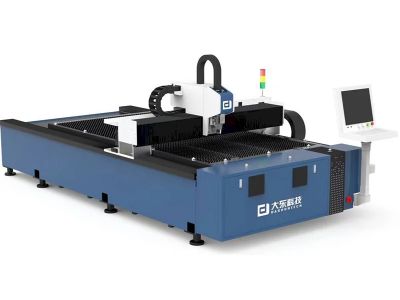
A sheet metal bender is an essential tool in the metalworking industry, particularly in metal angle bending processes. These sheet metal bender machines enhance efficiency by ensuring precise bends and reducing waste, which are critical factors for manufacturers and purchasing managers. This article explores how a sheet metal bender improves efficiency in metal angle bending processes, addresses common buyer concerns, and provides insights into sourcing and selecting the right equipment.
How a Sheet Metal Bender Enhances Metal Angle Bending Efficiency?
A sheet metal bender streamlines the metal angle bending process by delivering consistent and accurate bends, which can significantly reduce production time and costs. These machines utilize advanced CNC technology to ensure precise control over the bending angle and depth, allowing manufacturers to meet exact specifications with high repeatability.
Efficiency is further improved by the reduced setup times associated with automated sheet metal benders. These sheet bender machines often come equipped with user-friendly interfaces that enable operators to quickly input parameters for different bending tasks. This minimizes the learning curve and allows for swift transitions between various projects, essential for companies handling multiple orders.
Moreover, the energy-efficient design of modern sheet metal benders means they consume less power while maintaining high performance levels. This not only lowers operational costs but also contributes to more sustainable manufacturing practices, a growing concern in the industrial sector.
Where to Source Reliable Sheet Metal Benders for Your Needs?
Finding a reliable supplier for sheet metal benders involves assessing several key factors. Firstly, consider the manufacturer's experience and reputation in the industry. Suppliers like Qingdao Dadong Automation Technology Co., Ltd., known for their advanced CNC punch presses and press brakes, provide high-quality, precision machines backed by years of expertise.
Next, evaluate the machine specifications. Key features to look for include bending capacity, material compatibility, and the range of angles achievable. It’s also essential to confirm the availability of technical support and service options, as these can impact your operational efficiency.
Requesting demonstrations or samples can provide valuable insights into the machine’s performance. Engaging with suppliers who offer comprehensive consultations can also help ensure that the selected model meets your specific requirements for production volume and material types.
Sheet Metal Benders for Bulk Orders
When considering sheet metal benders for bulk orders, it’s crucial to assess the minimum order quantity (MOQ) and lead times. Manufacturers often have different policies regarding bulk purchases, which can affect pricing and delivery schedules. For instance, bulk orders may qualify for discounts, but they also require careful planning regarding inventory and production capacity.
It’s advisable to discuss customization options with the supplier, as many manufacturers offer tailored solutions to meet specific production needs. This could include modifications for particular materials or the integration of additional features that enhance functionality.
Additionally, ensure that the supplier has a robust quality control process in place. This is vital for maintaining consistency across multiple units and minimizing defects, which can lead to costly rework and delays in production.
Common Problems in Angle Bending and Their Solutions
While sheet metal benders are designed to enhance efficiency, several common problems can arise during the angle bending process. One issue is material spring-back, where the metal does not retain its bent shape after the bending force is removed. This can be mitigated by adjusting the bending angle and using appropriate material thickness.
Another challenge is achieving uniform bend radii. Inconsistent pressure during the bending process can lead to variations in the angle. Regular maintenance and calibration of the cnc sheet metal bender can help ensure that it operates within specified tolerances.
Furthermore, misalignment during setup can cause defects in the finished product. Implementing a systematic approach to setup, including the use of guides and fixtures, can significantly reduce errors and improve overall quality.
Applications of Sheet Metal Benders in Various Industries
Sheet metal benders are versatile tools used across multiple industries, including automotive, aerospace, and construction. In the automotive sector, these machines are essential for producing components like brackets and frames, where precision is crucial for safety and performance.
In aerospace, sheet metal benders facilitate the creation of complex parts that require high tolerances and durability. The ability to bend various materials, including aluminum and stainless steel, makes these machines indispensable for manufacturers aiming to meet stringent regulatory standards.
The construction industry also benefits from sheet metal benders, particularly in fabricating HVAC ductwork and structural supports. The efficiency of these machines allows for rapid production, which is essential in project-driven environments.
By understanding the specific applications and challenges associated with sheet metal bending, purchasing managers can make informed decisions about the types of benders best suited for their operational needs.
In summary, selecting the right sheet metal bender can dramatically improve efficiency in metal angle bending processes, contributing to better product quality and lower production costs.