 EN

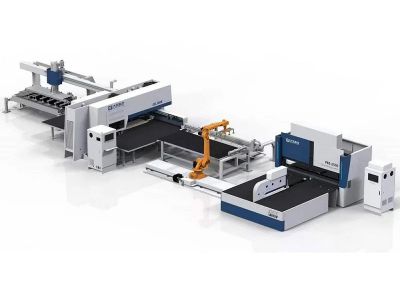
Sheet metal bending equipment plays a crucial role in enhancing accuracy during complex metal forming processes. For B2B buyers, such as purchasing managers and engineers, understanding how these machines contribute to precision is vital for making informed purchasing decisions. This article will explore the benefits of sheet metal bending equipment, considerations for sourcing reliable suppliers, evaluation criteria for quality, common installation challenges, and the impact of material choices on bending accuracy.
How Sheet Metal Bending Equipment Enhances Precision in Metal Forming?
Sheet metal bending equipment, particularly CNC press brakes, is designed to achieve high levels of precision in metal forming. By utilizing advanced technology, these machines can execute complex bends with tight tolerances, ensuring that components fit together accurately in final assemblies.
One significant advantage is the ability to program specific angles and dimensions into the machine, reducing the risk of human error. This automation allows for repeatability, meaning that once a design is validated, it can be reproduced consistently across multiple production runs. Additionally, the integration of laser measurement systems in modern CNC machines further enhances accuracy by continuously monitoring the position and angle of the material during the bending process.
When evaluating sheet metal bending machine equipment, buyers should consider the machine's capabilities, such as maximum bending length, thickness, and material types it can handle. Understanding these specifications will help determine if the equipment is suitable for the intended applications, ultimately leading to improved accuracy and efficiency in metal forming tasks.
Where to Source Reliable Sheet Metal Bending Equipment Suppliers?
Finding reliable suppliers for sheet metal bending equipment is essential for ensuring quality and performance. Buyers should start by researching manufacturers known for their expertise in CNC technology and metal fabrication. Industry associations and trade shows often provide valuable insights into reputable suppliers, as these platforms showcase cutting-edge machinery and innovations.
It's also advisable to look for manufacturers with a strong track record in quality control and customer support. Evaluating customer reviews and case studies can provide insights into a supplier's sheet metal bending equipment reliability and service quality. For instance, Qingdao Dadong Automation Technology Co., Ltd. specializes in CNC punch presses and press brakes, which can be an excellent option for buyers seeking high-precision solutions.
Additionally, consider reaching out to suppliers for product demonstrations or trials. This hands-on experience can help assess the machine’s performance and suitability for specific applications, ensuring that it meets the buyer's accuracy requirements.
Evaluating the Quality of Sheet Metal Bending Machinery for Purchase
When evaluating sheet metal bending machinery, buyers should focus on several key factors that directly impact quality and performance. First, it's essential to review the machine's specifications, including bending capacity, repeatability, and maximum material thickness. These parameters will dictate the types of projects the equipment can handle efficiently.
Second, consider the machine's construction and components. High-quality bending machines often feature rigid frames and robust hydraulic systems that contribute to stability and precision during operation. The metal bending machine quality of tooling and dies used in the bending process also plays a crucial role, as they must be tailored to the specific materials and thicknesses being processed.
Buyers should also assess the manufacturer's quality control processes. A reputable supplier will have stringent testing protocols in place to ensure that each machine meets industry standards before shipment. Inquire about certifications and compliance with international standards, as these indicators can provide confidence in the machinery's quality and reliability.
Common Installation Challenges with Bending Equipment and Solutions
Installing sheet metal bending equipment can present challenges that, if not addressed, may affect accuracy and performance. One common issue is ensuring proper alignment during installation. Misalignment can lead to skewed bends and compromised tolerances. To mitigate this risk, buyers should work closely with the installation team to verify that the machine is leveled and aligned according to the manufacturer’s specifications.
Another challenge is integrating the bending equipment into existing production lines. Compatibility with other machines and workflow systems is critical to maintaining efficiency. Buyers should assess the layout of their facility and discuss with the supplier any necessary modifications or additional components required for seamless integration.
Lastly, training operators on the proper use and maintenance of the bending equipment is essential. Inadequate training can lead to operational errors, compromising accuracy. Suppliers should offer comprehensive training programs to ensure that staff are well-equipped to operate the machinery effectively.
How Material Choices Affect Sheet Metal Bending Accuracy?
The choice of material significantly impacts the accuracy of sheet metal bending. Different materials exhibit varying properties, such as ductility and tensile strength, which can influence how they respond to bending forces. For example, materials like aluminum and mild steel are generally more forgiving during bending, allowing for tighter radii and higher precision.
When selecting materials, buyers should consider factors such as the thickness and type of metal, as well as the intended application. Thicker materials may require more powerful machinery to achieve the desired bends without compromising accuracy. Additionally, the grain direction of the material can affect the bending process; aligning the grain direction with the bend line can enhance the final product's strength and precision.
To ensure optimal results, it is advisable to consult with the equipment manufacturer regarding material specifications and recommendations. This collaboration can help determine the most suitable materials for a specific application, ultimately leading to improved accuracy in the bending process.
By understanding how sheet metal bending equipment improves accuracy in complex metal forming, sourcing reliable suppliers, evaluating machinery quality, addressing installation challenges, and considering material choices, B2B buyers can make informed decisions that enhance their production capabilities and ensure precision in their metal forming processes.
Table of Contents
- How Sheet Metal Bending Equipment Enhances Precision in Metal Forming?
- Where to Source Reliable Sheet Metal Bending Equipment Suppliers?
- Evaluating the Quality of Sheet Metal Bending Machinery for Purchase
- Common Installation Challenges with Bending Equipment and Solutions
- How Material Choices Affect Sheet Metal Bending Accuracy?