 EN
EN


List of Intelligent Upgrade Solutions for Traditional Sheet Metal Processing Production Lines
Equipment Intelligent Transformation Module
1: Automated Loading and Unloading System: Equipped with gantry robots / collaborative robots to adapt to laser cutting machines, punch presses, bending machines, and other equipment, achieving automatic loading of raw materials, automatic unloading and stacking of finished products, reducing manual intervention.
2: Intelligent Processing Equipment Upgrade: Replace / transform into CNC laser cutting machines (supporting automatic nesting), servo CNC bending machines (with automatic angle compensation), welding robots (equipped with visual positioning) to improve processing accuracy and consistency.
3: Equipment Networking Transformation: Install Industrial IoT (IIoT) gateways to achieve real-time collection of equipment operation data (speed, load, faults), supporting remote monitoring and fault warning.
4: Intelligent Warehouse Integration: Supporting multi-layer shelves and AGV carts to achieve automatic in-out storage and transfer of raw materials, work-in-progress, and finished products, connecting processing stages and reducing material accumulation.
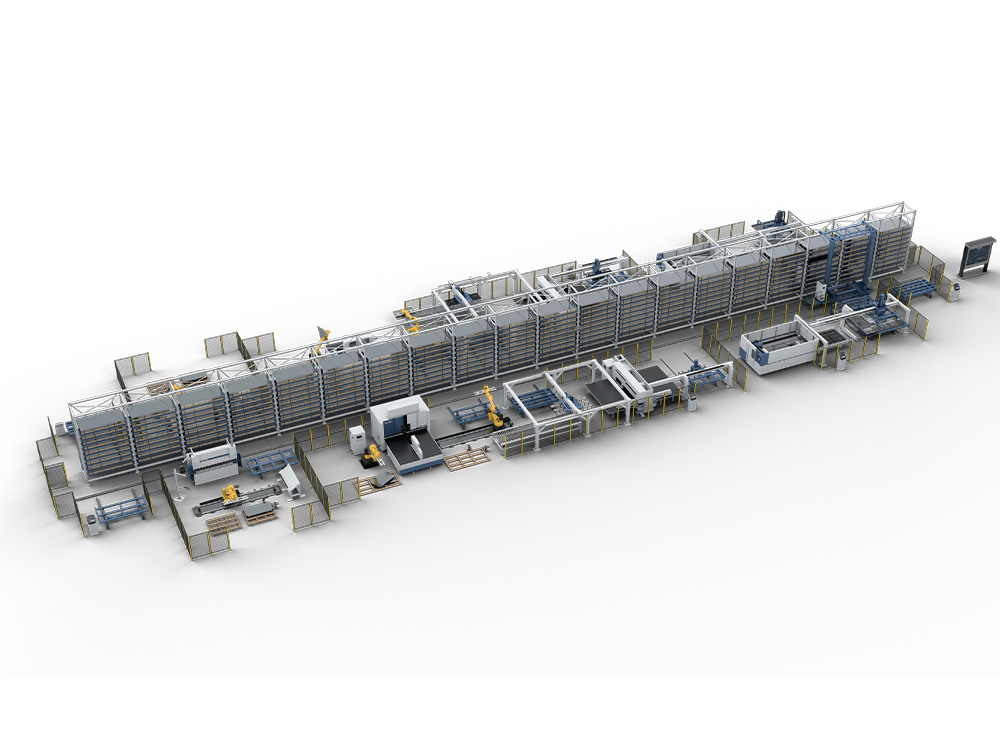
Based on the structure of production tasks and equipment energy consumption models, and integrating real-time status sensing and energy monitoring data, a multi-objective optimization algorithm is used to construct a cross-process dynamic scheduling model. The system achieves the following functions:
① Coordination of cycle times and path reconstruction among processes such as stamping, CNC cutting, bending, and welding;
② Load-balanced scheduling of production resources to improve overall equipment utilization;
③ Energy-saving-driven task allocation strategies to achieve precise matching between process cycles and energy loads. The system also incorporates energy supply and auxiliary systems into the scheduling scope. Based on real-time plans, it dynamically adjusts electricity usage strategies, reasonably arranges peak and off-peak loads, and achieves peak shaving, load filling, and efficiency improvement. This mechanism effectively mitigates the impact of energy fluctuations on the stable operation of the factory and significantly reduces energy costs. Through the organic integration of multi-process coordination and resource optimization, the project significantly enhances the flexibility and greenness of complex manufacturing systems, providing systematic technical support for energy saving and carbon reduction in intelligent manufacturing systems.
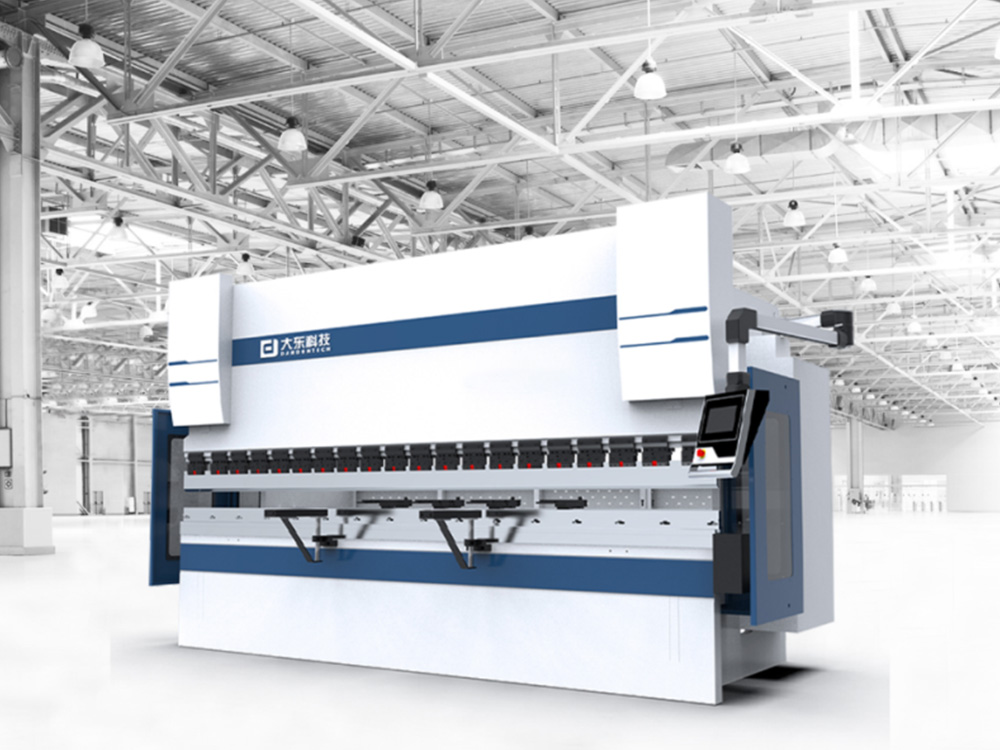
The project is based on a production task structure and equipment energy consumption model, integrating real-time status awareness and energy monitoring data. It uses a multi-objective optimization algorithm to build a cross-process dynamic scheduling model. The system realizes the following functions:
① coordination of takt times and path reconstruction between processes such as stamping, CNC cutting, bending, and welding;
② load-balanced scheduling of production resources to improve overall equipment utilization;
③ energy-saving-driven task allocation strategies to achieve precise matching between process takt and energy load. The system also incorporates energy supply and auxiliary systems into the scheduling scope, dynamically adjusting electricity usage based on real-time plans, reasonably arranging peak and off-peak loads to achieve peak shaving and valley filling, and improving energy efficiency. This mechanism effectively mitigates the impact of energy consumption fluctuations on stable factory operations and significantly reduces energy costs. Through the organic integration of multi-process coordination and resource optimization, the project significantly enhances the flexibility and greenness of complex manufacturing systems and provides systematic technical support for energy-saving and carbon reduction in intelligent manufacturing systems.